
Brazilian Tobacco: Sweet, Dark Wrapper
Sun-grown in Bahia, Mata Fina is a dark, naturally sweet leaf well suited to maduro and oscuro wrappers.
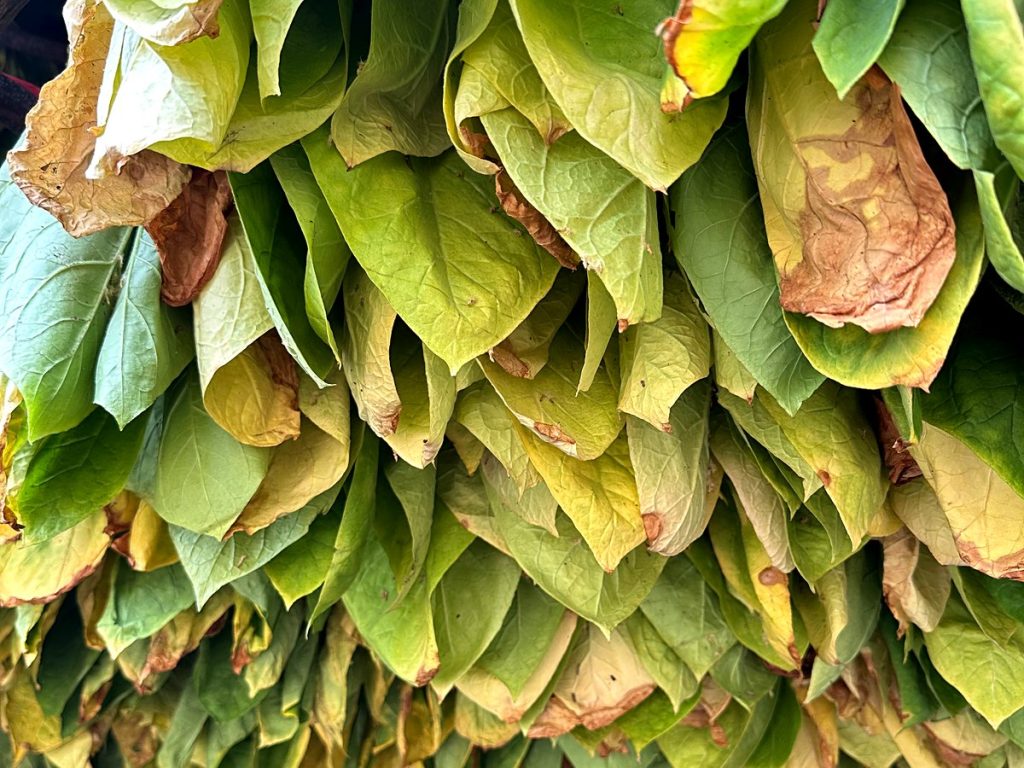
Dark, Sweet Leaf from Bahia
Brazil’s best-known cigar tobacco is Mata Fina, a dark, sun-grown leaf from the state of Bahia. It is naturally sweet and earthy, and it is used for maduro and oscuro wrappers, the dark brown to nearly black outer leaves on a cigar.
Brazilian leaf is not one of the tobaccos we use most often. That reflects what our blends have called for, not the quality of the leaf. We have used it and will keep using it where it suits a blend, and we buy it through our suppliers.
Where is Brazilian cigar tobacco grown?
Brazil is one of the world’s largest tobacco exporters, and almost all of its tobacco is grown in the south of the country. Cigar leaf is a much smaller crop in the Northeast, centered on the Recôncavo, a strip of farmland just in from the coast of Bahia.
Cruz das Almas, a city of around 60,000 people and about 150 km (93 miles) by road from Salvador, is the main hub of Brazilian cigar tobacco. The name Mata Fina means “thin forest,” after the wiry local vegetation.
What the leaf is like
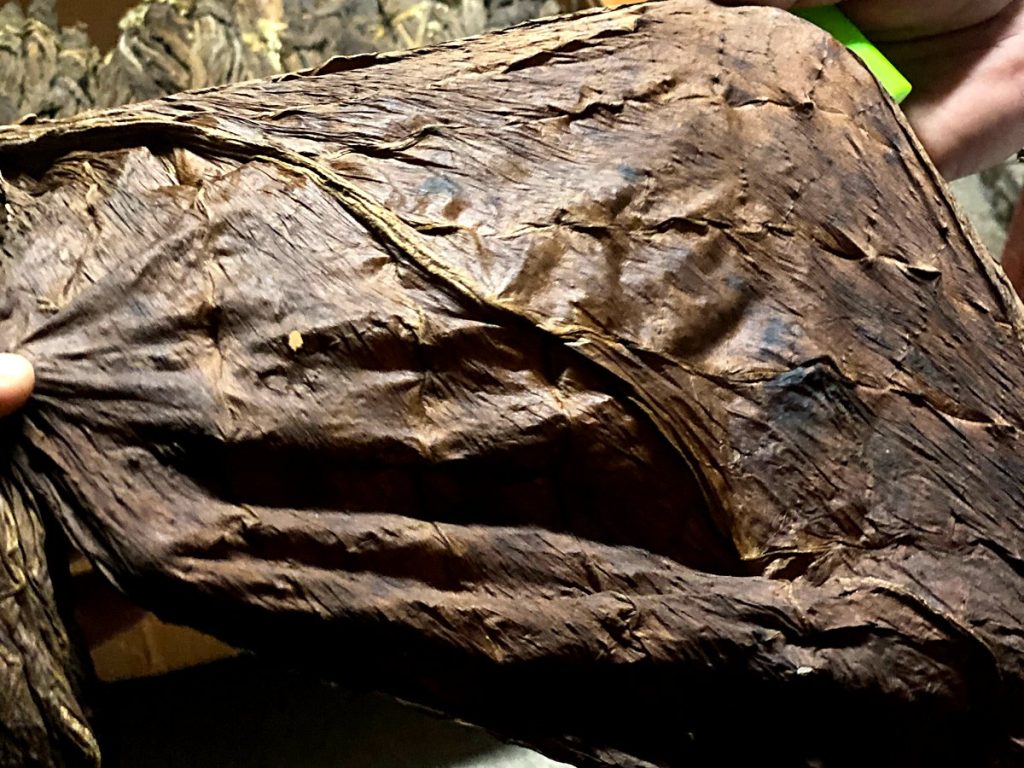
Mata Fina grows in full sun, and growers cut the whole plant at the stalk rather than picking leaf by leaf. That gives it a smooth, naturally sweet flavor, and fermentation turns it into dark maduro and oscuro wrapper leaf. It can be described as rich, aromatic, and earthy, with a strength of about medium. It is best known as a wrapper, and it is also used as a binder and filler.
Brazil has two other well-known cigar leaves. Mata Norte, from the drier north of the Recôncavo, is cured in the open air and runs stronger, with notes of coffee beans and nuts. It is used as filler. Arapiraca, grown farther north in the state of Alagoas, is a very dark, oily leaf used mainly as wrapper. Its seed is now grown in Ecuador too.
A short history
Indigenous peoples grew tobacco in what is now Bahia before the Portuguese arrived. In the 1800s, São Félix, on the Paraguaçu River across from the historic town of Cachoeira, became a cigar-making town with several large factories. Today, the Recôncavo still grows most of Brazil’s cigar tobacco.
Brazilian leaf was common in small cigars for generations. Its use in premium hand-rolled cigars grew after the Cuban Revolution, when Cuban cigar makers who had left the island used it as filler. Makers in Nicaragua, Honduras, and other countries now use Brazilian leaf as wrapper, binder, or filler.
How blenders use Brazilian leaf
The wrapper carries much of a cigar’s flavor, so a Mata Fina wrapper sets a sweet, earthy tone while the filler underneath adds strength. A dark Brazilian wrapper over Nicaraguan filler is a common pairing.
Beyond tobacco
Salvador, Bahia’s capital, became the capital of colonial Brazil in 1549. Bahian moqueca, a seafood stew made with dendê palm oil and coconut milk, shows the African and Portuguese influences on the region’s food.
Where It Fits
- Wrapper: dark, sweet Mata Fina for maduro and oscuro looks
- Binder: Mata Fina, used in some blends
- Filler: stronger Mata Norte, with coffee-bean and nut notes
Where to Next
Tell Us About the Cigar You Want to Make
A 30-minute conversation is enough to scope your blend, your packaging, and your real timeline. No pressure, no deposit, just straight answers from the people who’ll actually make your cigars.
We answer every serious inquiry within one business day.