
Colombian Tobacco: Old Roots, New Interest
Colombia has grown tobacco for more than two centuries, but its leaf is only now earning a place in modern premium cigars.
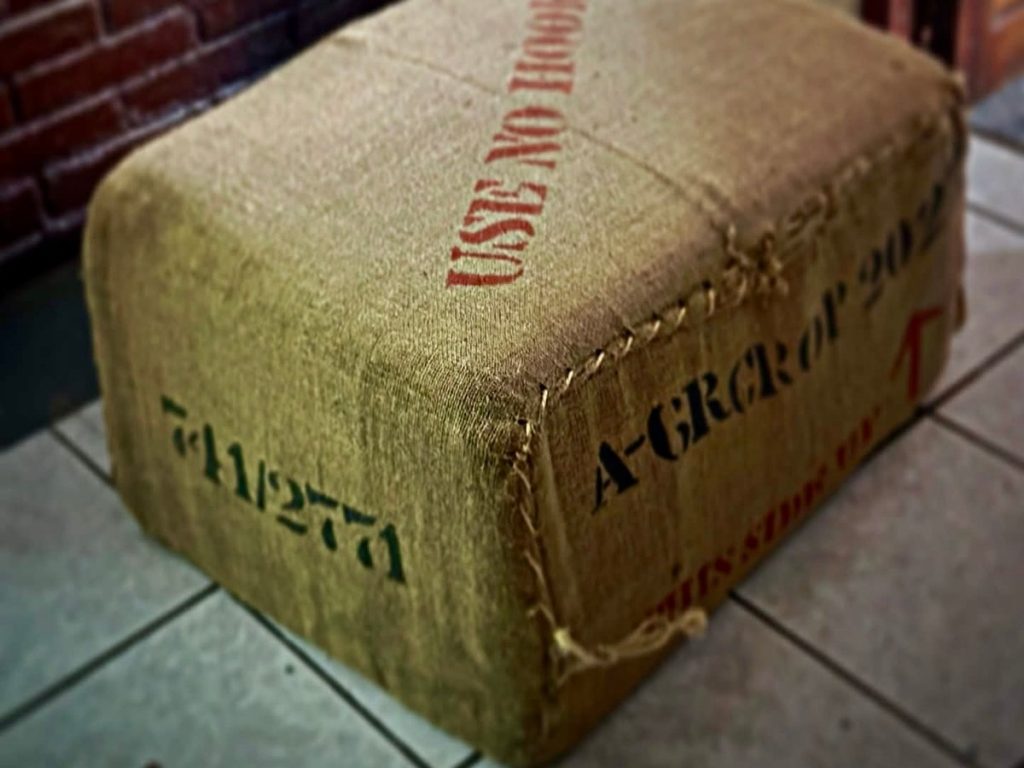
An Old Tobacco Country with a New Name in Premium Cigars
Colombia has grown tobacco for more than two centuries, and in the 1800s it was a major export crop. Its leaf is only now appearing in modern premium cigars, which makes it one of the newer origins in the hand-rolled cigar market.
Where is Colombian cigar tobacco grown?
Colombia’s tobacco crop, of all types, is small: about 4,000 tonnes a year from roughly 2,300 hectares in recent years, and it has been shrinking for about a decade. Santander, in the Andes of northeastern Colombia, has the largest planted area, followed by Huila, Sucre, and Boyacá. Sucre and Bolívar, on the Caribbean side, are also among the leading producers by weight.
Piedecuesta, a city of about 190,000 people at roughly 1,000 meters (3,300 feet) near Bucaramanga, is one of Colombia’s main cigar-making towns. Its tobacco trade goes back to the town’s founding in 1774.
A short history
In colonial times Spain ran tobacco as a state monopoly, and the first processing factory opened in 1778 at Ambalema, on the Magdalena River in Tolima. After the monopoly ended in 1850, tobacco became one of Colombia’s main exports. By 1855, Ambalema alone grew about 80% of the country’s tobacco.
Ambalema’s soils wore out, and the trade shifted to El Carmen de Bolívar, in the Montes de María on the Caribbean side. Small farms there grew dark tobacco, and Bremen, Germany, was among the main buyers. The town came to be called Colombia’s “dollar-generating city.”
The Montes de María kept exporting tobacco well into the 20th century, until the trade declined in the early 1980s amid falling world prices and competition from other growing countries. Violence and displacement later emptied many farms. Some families have been returning, and a tobacco museum has opened in Ovejas, Sucre.
What the leaf is like
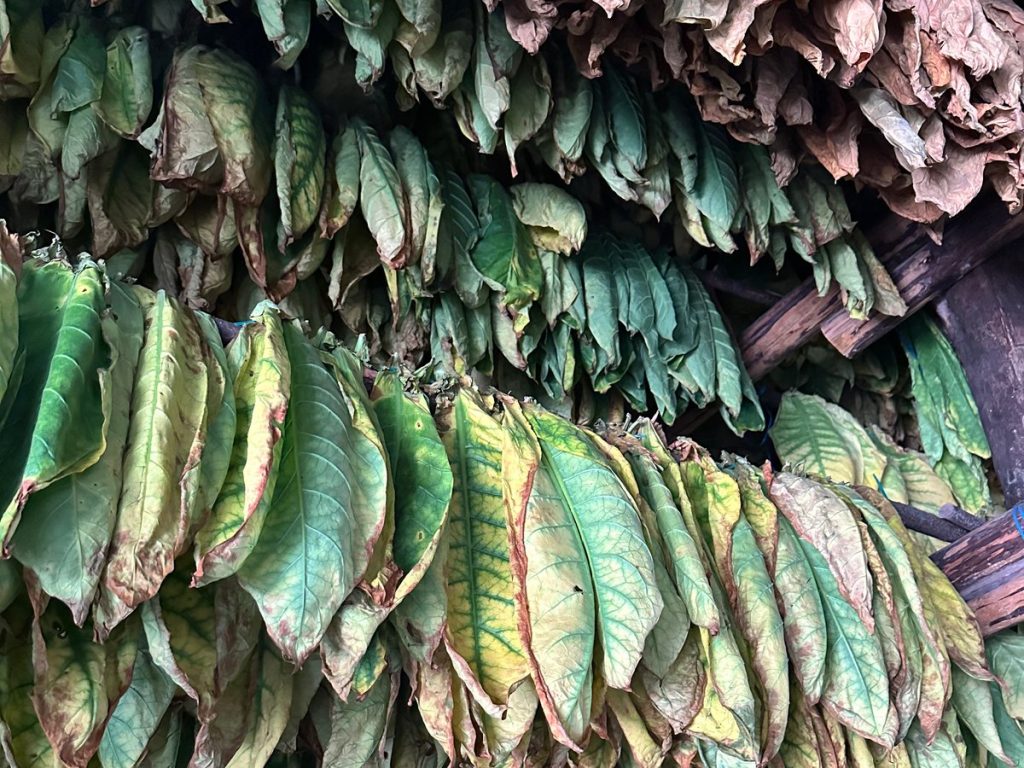
Colombian cigar leaf is less documented than the major origins, and most tasting notes come from a handful of blends. Those notes describe an earthy leaf with hints of honey, nuts, and wood. Strength varies by blend.
In the Montes de María, farmers grow dark tobacco, which they say suits the region better than the light tobacco used in cigarettes.
How blenders use Colombian leaf
Colombian leaf is used mainly as filler and binder, usually alongside leaf from other origins. Few makers have featured it so far, but interest is growing.
It sits in South America alongside Ecuador and Brazil, which are better known for wrapper leaf. Which origin we choose depends on the look and flavor a client wants.
Beyond tobacco
Colombia is better known for coffee and emeralds than for cigars. In Piedecuesta, rollers called chicoteras still hand-roll simple local cigars known as chicotes. A 2024 Radio Nacional report counted about 4,000 families in the trade and some 22 million cigars a month, down from 35 million in the 1990s.
Where It Fits
- Filler: earthy leaf that adds depth to mixed blends
- Binder: used in some blends
- Origin story: a newer origin many smokers have not heard of
Where to Next
Tell Us About the Cigar You Want to Make
A 30-minute conversation is enough to scope your blend, your packaging, and your real timeline. No pressure, no deposit, just straight answers from the people who’ll actually make your cigars.
We answer every serious inquiry within one business day.