
Peruvian Tobacco: Amazon-Grown Filler Leaf
A small rainforest origin: dark leaf grown around Tarapoto and used mostly as filler in blends.
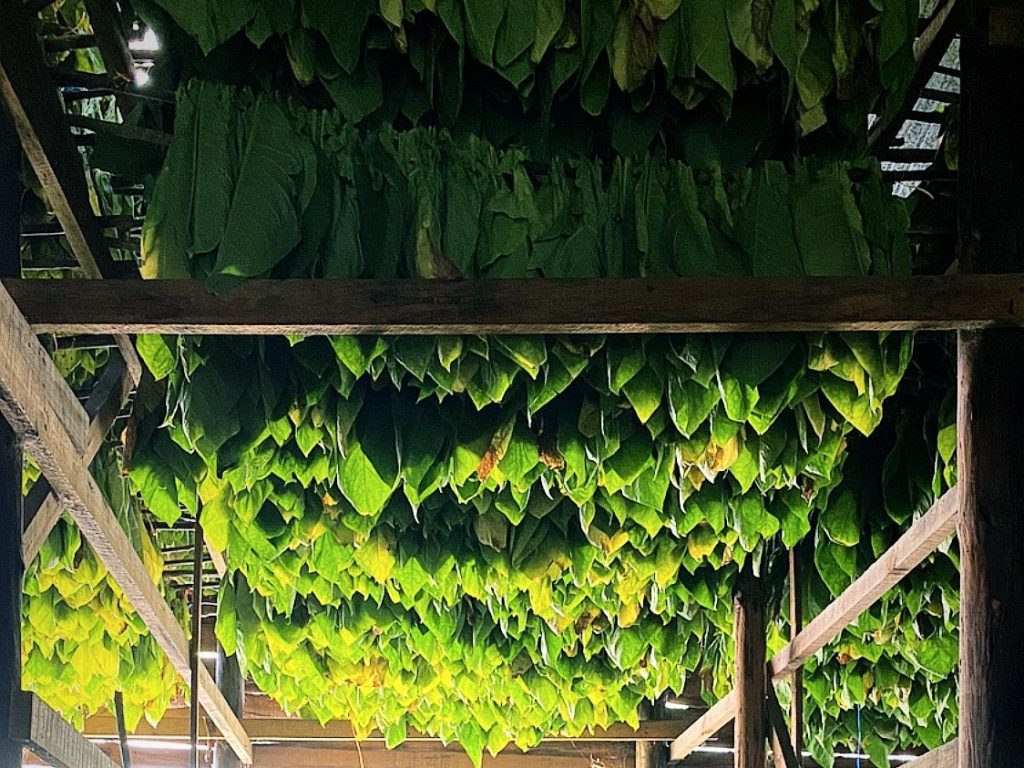
A Small Amazon Origin for Cigar Filler
Peru is a small tobacco producer, and its best-known cigar leaf grows around Tarapoto, in the rainforest of the San Martín region. It is dark tobacco, sold mostly as raw leaf for filler, with smaller amounts used as wrapper and binder.
Where is Peruvian cigar tobacco grown?
The bulk of it comes from San Martín, in the upper Amazon basin of northern Peru. Tarapoto, the region’s largest city, is a flight of an hour or so from Lima. Farms in Juan Guerra, a district about 15 kilometers (9 miles) away on the road to Yurimaguas, grow dark tobacco for cigars.
The area gets more than a meter of rain a year, with a drier season from about June to September.
A short history
Tobacco is native to the Americas, and in the Peruvian Amazon, hand-rolled mapacho cigars are still made from Nicotiana rustica, a different and far stronger species than cigar tobacco. Its leaves can reach 9% nicotine, against 1 to 3% for the common cigar species.
Spain made tobacco a royal monopoly in the Viceroyalty of Peru in 1752. In the 1700s, most of the colony’s tobacco came from northern Peru, mainly around Saña and Jaén, with smaller amounts grown in the Amazon foothills near Chachapoyas and Moyobamba, the latter in today’s San Martín. Bishop Baltasar Jaime Martínez Compañón founded Tarapoto in 1782.
Cigar leaf from the Tarapoto area is a newer export. It now goes mainly to cigar makers elsewhere, including in Central America, who use it in their blends.
What the leaf is like
Peruvian tobacco is not commonly used, and it is not readily available, so few smokers have tried it on its own. Its strength is mild to medium.
The flavor notes tend toward coffee and cocoa, nuts and cedar, with a gentle sweetness, a subtle earthiness, and a soft spice.
How blenders use Peruvian leaf
Peruvian leaf is used mainly as long filler. Blenders have paired it with Nicaraguan leaf, since both can be peppery. Its neighbors Ecuador and Colombia are also tobacco origins.
Beyond tobacco: food and culture in San Martín
Tarapoto is nicknamed the City of Palms. Its signature dish is juane: rice, chicken, egg, and an olive, wrapped in a bijao leaf and boiled, traditionally eaten on June 24, the feast of San Juan. Tacacho is mashed green plantain served with cecina, dried smoked pork, and patarashca is river fish grilled in bijao leaves.
San Martín also grows coffee and cacao. Nearby Chazuta is known for its pottery, declared part of the nation’s cultural heritage in 2012.
Where It Fits
- Filler: dark Amazon leaf, mainly long filler
- Wrapper and binder: grown in smaller amounts
- Origin story: a rainforest origin few smokers know
Where to Next
Tell Us About the Cigar You Want to Make
A 30-minute conversation is enough to scope your blend, your packaging, and your real timeline. No pressure, no deposit, just straight answers from the people who’ll actually make your cigars.
We answer every serious inquiry within one business day.