
Cuban Tobacco Compared: Different, Not Better
Cuba earned its fame, but soil, climate, seed, and fermentation make its leaf different from other origins, not better.
Why Is Cuban Tobacco So Famous?
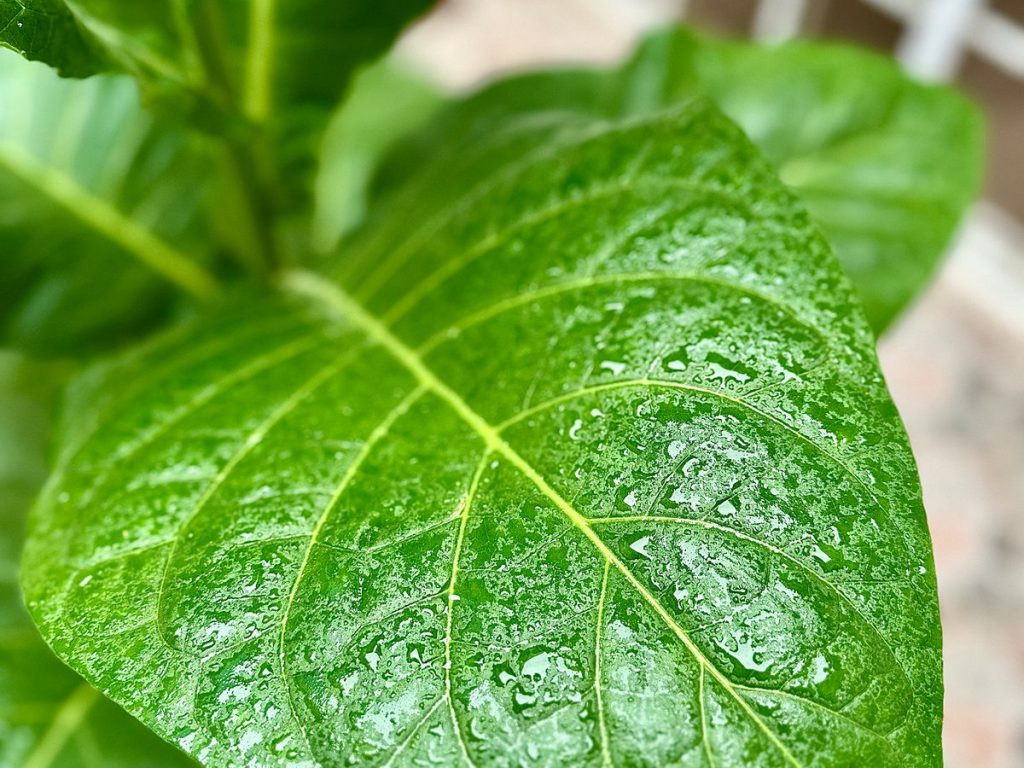
Cuban tobacco is famous because Cuba is where premium cigar making grew up. The farming, curing, and fermentation methods that cigar makers use around the world were first developed on the island, and the western valleys of Pinar del Río grow the leaf that built its reputation.
Famous does not mean better. Soil, climate, seed, curing, and fermentation decide how a leaf tastes, and every origin sets those five differently. Cuban leaf is known for a bold, earthy, spicy style, and that is a style, not a ranking.
Cigar Co Lab does not buy, blend, or sell Cuban tobacco, and the U.S. embargo bars it from American shelves. This page covers its history, its growing regions, and the legal origins that grow leaf with Cuban roots.
The History of Tobacco in Cuba
People on the island were smoking tobacco before Europeans arrived. In early November 1492, two men sent inland by Christopher Columbus, Rodrigo de Jerez and Luis de Torres, came back with reports of villagers smoking dried leaves. Columbus’s journal entry for November 6, preserved in a transcription by Bartolomé de las Casas, records what they saw.
Tobacco became a major export to Europe, and Spain, which ruled Cuba, controlled the trade. In 1717 the Crown made tobacco a royal monopoly. Farmers, called vegueros, had to sell their whole crop to the Crown’s buyers at prices set in Spain, and they rose up several times in the years that followed. The revolts were put down by force.
Cuba’s leaf still mattered to Spain. Between 1740 and 1760, about 85 percent of the tobacco processed at the royal factory in Seville came from Cuba. King Ferdinand VII ended the monopoly in 1817.
How Did Cuba Become Famous for Cigars?
After the monopoly ended, tobacco came to dominate life in the Vuelta Abajo, the western valleys of Pinar del Río, while Havana’s factories rolled its leaf into cigars for export. Several brands that are still sold today were founded in Havana in the 1840s and 1860s.
Cuban makers also carried the craft abroad. In 1868, one Havana manufacturer moved his factory to Key West, Florida, and in 1885 he built Ybor City, in Tampa, which grew into a major cigar center.
Centuries of experience and a long run as the best-known source are much of why the name still carries so much weight.
What Happened After the Embargo?
The 1959 revolution reshaped the cigar world. On September 15, 1960, the Cuban government nationalized the country’s tobacco industry, and many owners and makers soon left the island. On February 3, 1962, President John F. Kennedy signed the proclamation that banned imports of Cuban goods into the United States, starting February 7.
According to his press secretary, Pierre Salinger, Kennedy first asked him to find about 1,000 Cuban cigars. Salinger came back with 1,200, and the president signed the order.
Cuba kept its factories, but many of the people who had made the cigars scattered. Some rebuilt in the Canary Islands, and others in the Dominican Republic, Honduras, and Nicaragua, taking their skills and seed with them. Many classic brand names now exist twice: one made in Cuba and another, by an unrelated company, elsewhere.
Inside Cuba, the industry stayed under state control. During the hardships of the early 1990s, cigar exports fell by more than 31 percent between 1990 and 1994, by the exporter’s own figures. Habanos S.A. was created in 1994 to promote and export Cuban cigars, and shipments recovered to about 70 million cigars in 1996.
Disease forced a change of seed. Blue mold wiped out most of the 1979 to 1980 crop, and Cuban breeders spent years developing resistant hybrids. By the mid-1990s, nearly all farms in Pinar del Río had switched, and the Corojo seed that had long been the standard for wrapper was retired.
Cuban scientists say the new varieties kept the leaf’s essential character, though some tasters have found the cigars milder. That is why Corojo, the most famous of the Cuban seeds, still grows in Honduras but no longer in Cuba.
What Is the Cuban Tobacco Industry Like?
The Cuban state runs it from field to export. Tabacuba, the state tobacco company, manages the sector, and farmers sell their crop to it. The leaf is traditionally hand-rolled in Havana’s state-run factories, and Habanos S.A. sells the cigars abroad. Pinar del Río grows most of the crop.
Hurricane Ian struck Pinar del Río on September 27, 2022, and destroyed about 90 percent of the province’s tobacco curing barns, more than 10,000 buildings. Growers planted only about 5,150 hectares (12,700 acres) that season, the smallest planting on record at the time, and wrapper, the most valuable leaf, ran short.
Fuel shortages and power cuts have also hit the industry, because many of Pinar del Río’s tobacco fields rely on electric irrigation.
Is Cuban Tobacco Legal?
In most of the world, yes.
The United States is the major exception. The embargo bars commercial imports, and since September 24, 2020, U.S. travelers can no longer bring Cuban cigars home, even when they buy them legally abroad.
Where Is Tobacco Grown in Cuba?
Cuba’s tobacco is usually grouped into five regions: Vuelta Abajo, Semi Vuelta, Partido, Remedios, and the east. The finest cigar leaf comes from the first three, in the west and near Havana.
Vuelta Abajo
Vuelta Abajo, in Pinar del Río at the far western end of the island, is the heartland. It is the only region that grows every kind of leaf: wrapper, binder, and filler.
Less than a quarter of its tobacco land has the top rating for cigars sold under the Habanos name. Within it, San Luis is known mainly for wrapper, and San Juan y Martínez for filler and binder.
Semi Vuelta
Semi Vuelta, also in Pinar del Río, is known for binder and filler for short-filler cigars. Only about 1 percent of its tobacco land is used for the Habanos name, but its soil is good for producing seed.
Partido
Partido lies southwest and southeast of Havana and specializes in wrapper.
Remedios
Remedios, in central Cuba, also grows cigar tobacco.
The east
Tobacco is grown in the east too, including near Bariay, where Columbus is traditionally said to have landed. That leaf is not used for the best-known export cigars.
How Does Cuban Tobacco Compare With Other Origins?
Because seed and people left Cuba, several legal origins now grow leaf with Cuban roots. None is a copy. The soil and climate differ from place to place, so each tastes like where it grew.
Nicaragua
Jalapa saw its first Cuban seed in the 1950s, and the northern valleys around Estelí and Condega followed in the 1960s. Jalapa’s reddish-brown soil resembles the Vuelta Abajo’s in many ways, though the valley sits higher and is much drier. Start with the Nicaragua overview or the Jalapa page.
Honduras
Exiles hunting for ground like Pinar del Río’s chose the Jamastrán Valley. Corojo, the old Cuban wrapper seed, still grows there under shade. See Honduras.
Dominican Republic
Cuban seed reached the Cibao Valley in the early 1960s, and the Piloto Cubano variety grown from it is now considered Dominican. It is fuller-bodied than the country’s native leaf. See the Dominican Republic.
Ecuador
Plantings of Cuban-seed wrapper grew quickly in Ecuador in the early 2000s, grown under natural cloud cover. See Ecuador.
Mexico
Mexico’s San Andrés Valley plants Habano types from Cuban seed too, chiefly as wrapper and binder. See Mexico.
A Cuban-style blend built from these leaves can come close, but it will taste like its own origins, not like Cuba. The Homage Blends page covers blends built to echo a classic profile.
Cuba Beyond Tobacco: History, Culture, and Food
Cuba is the largest island in the Caribbean, about 110,000 square kilometers (42,000 square miles), and Spanish is its official language. Havana, the capital, has stood on its present site since 1519.
Spain ruled Cuba until 1898. The Republic of Cuba was declared on May 20, 1902, after a period of U.S. occupation, and the revolution overthrew the government on January 1, 1959.
UNESCO lists several parts of this story. Old Havana and its fortifications were inscribed in 1982. The Viñales Valley, in Pinar del Río, was inscribed in 1999 as a cultural landscape, largely for tobacco farming that has changed little in centuries, set among limestone hills called mogotes that rise as high as 300 meters (980 feet).
Rumba, a music and dance tradition from the poorer neighborhoods of Havana and Matanzas, was added to UNESCO’s list of the world’s intangible cultural heritage in 2016.
Cigar factories have a tradition of their own. In 1865, rollers in Havana began paying one of their own to read newspapers and novels aloud while they worked. These readers, called lectores, became a fixture of cigar factories and later spread with Cuban makers to other countries.
Cuban food blends Spanish cooking with African and Taíno influences. A typical meal centers on rice and black beans, served apart or cooked together as congrí or moros y cristianos, beside a main dish such as ropa vieja, shredded flank steak in tomato sauce, or roast pork.
Tostones, fried green plantain, and yuca con mojo, cassava in a garlicky citrus sauce, are common sides, and flan is a classic dessert. Coffee comes as café cubano, Cuban espresso, and the island’s best-known cocktails, the mojito, the daiquiri, and the Cuba libre, are all built on rum.
Cuban Style, Legal Leaf
- Wrapper: Cuban-seed leaf from Ecuador or Honduras
- Filler: Piloto Cubano from the Dominican Republic, Cuban-seed leaf from Nicaragua
- Binder: Cuban-seed leaf from Honduras or Nicaragua
Where to Next
Tell Us About the Cigar You Want to Make
A 30-minute conversation is enough to scope your blend, your packaging, and your real timeline. No pressure, no deposit, just straight answers from the people who’ll actually make your cigars.
We answer every serious inquiry within one business day.