
Mexican Tobacco: Dark Wrapper from Volcanic Soil
Volcanic soil in Veracruz grows San Andrés black tobacco, a dark leaf that cigar makers in many countries use for maduro wrappers.
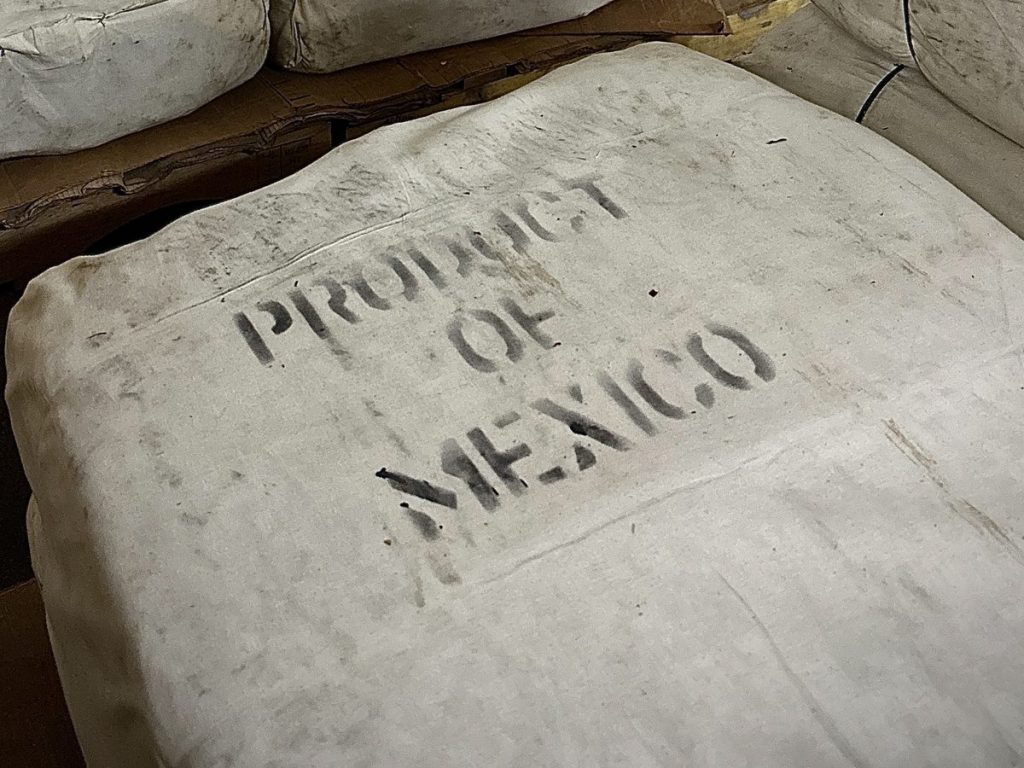
Mexico’s Dark Wrapper Leaf
Mexico’s best-known cigar tobacco grows in the San Andrés Valley, part of the Sierra de los Tuxtlas in southern Veracruz. Its star is San Andrés black tobacco, a dark leaf prized for maduro wrappers.
The valley’s volcanic soil, humid climate, and long fermentation give the leaf its dark color and a flavor that cigar blenders and smokers seek out.
Where is Mexican cigar tobacco grown?
Most of Mexico’s tobacco is not cigar leaf. It is grown mainly in two states, Nayarit on the Pacific side and Veracruz on the Gulf Coast. Nayarit grows most of the national crop, under contract to cigarette makers. Cigar tobacco is centered in Veracruz.
Within Veracruz, the center is the municipality of San Andrés Tuxtla, and neighboring Catemaco also grows tobacco. The city of San Andrés Tuxtla sits in a small valley beneath the San Martín volcano, roughly 100 miles (160 km) southeast of the port of Veracruz by road.
The Sierra de los Tuxtlas is a volcanic range that runs along the Gulf. It is one of the rainiest places in Mexico, and its wettest areas receive more than 4,000 millimeters (about 160 inches) of rain a year.
What is San Andrés black tobacco?
San Andrés black, also called Negro San Andrés, has been grown in Mexico for more than a century and has developed its own flavor in the valley’s volcanic soil. The leaf is tough and resilient, so it holds up to the extra fermentation a maduro wrapper needs. Blenders also value its good burn and versatility.
It is mainly a wrapper, but it also works as a binder and, in some blends, as filler.
Common tasting notes are cocoa, coffee, and pepper, with earth and some sweetness. Some blends also show wood and nut notes. Strength depends on the blend underneath, especially its filler.
Growers in the valley also plant Sumatra seed, which Ecuador grows too, and Cuban-seed Habano types.
How the leaf is grown and fermented
The valley’s soil is volcanic and dense, and the climate is very humid. Traditionally, San Andrés black is stalk-cut: the whole plant is cut and hung in a barn to cure. Some growers pick the leaves in stages instead, a method called priming.
A true maduro gets its very dark color and its richer, earthier, sweeter flavor from fermentation that is longer or hotter than usual. San Andrés black is well suited to it.
A short history of Mexico and its tobacco
People in what is now Mexico used tobacco long before Europeans arrived. The Maya, whose lands reached into southern Mexico, were smoking it more than a thousand years ago.
The Olmec, the region’s first great civilization, rose on this same Gulf Coast more than 3,000 years ago. Hernán Cortés founded the port of Veracruz in 1519, and Tenochtitlan fell in 1521. Spain ruled Mexico for the next three centuries, until independence was declared in 1821.
In the 1760s, Spain put tobacco under a royal monopoly. Growing was limited to a few districts of central Veracruz, around Córdoba and Orizaba, and cigars were made in state factories. The royal cigar factory in Mexico City, founded in 1769, employed thousands of workers.
The monopoly faded as Mexico won independence. In the 1800s, Cuban and European settlers saw that the humid, volcanic lowlands around San Andrés Tuxtla suited fine tobacco, and growing took root there.
How blenders use Mexican leaf
Blenders reach for San Andrés black when a cigar needs a dark, maduro-style wrapper. It is a frequent partner for Nicaraguan filler.
The wrapper adds a large share of a cigar’s flavor, and a San Andrés wrapper brings its cocoa and coffee notes to the whole blend. Brazil is another source of dark wrapper, with a character of its own.
Food, festivals, and life in the Tuxtlas
Traditional Mexican cuisine, built on corn, beans, and chili, is on UNESCO’s intangible cultural heritage list. The Tuxtlas add dishes of their own.
Local dishes include tamales morados, mogomogo (made from plantain), and chilpachole de yuca, a cassava dish. Around Lake Catemaco, look for tegogolo, a freshwater snail, and topote, a small fish.
Hand-rolling cigars is a skilled craft in San Andrés Tuxtla, and rollers, called torcedores, train for years.
The town’s main square, Parque Lerdo, has a circular kiosk, and its Sunday events reflect Afro-Mexican influence, with fandango and zapateado dancing. The patron saint, Saint Andrew, is honored on November 29 and 30 with parades of mojigangas, large papier-mâché figures, and sky lanterns.
Nearby Santiago Tuxtla keeps an Olmec colossal head, La Cobata, in its main square. Tres Zapotes, about 21 km (13 miles) from Santiago Tuxtla, is the Olmec site where the first colossal head was recorded in 1862. Catemaco, on the lake, is known for its brujos, traditional healers and fortune tellers who gather there every year on the first Friday of March.
Where It Fits
- Wrapper: maduro-style leaf with cocoa and coffee notes
- Binder: good burn, used in some blends
- Seeds: Sumatra and Cuban-seed Habano grown alongside
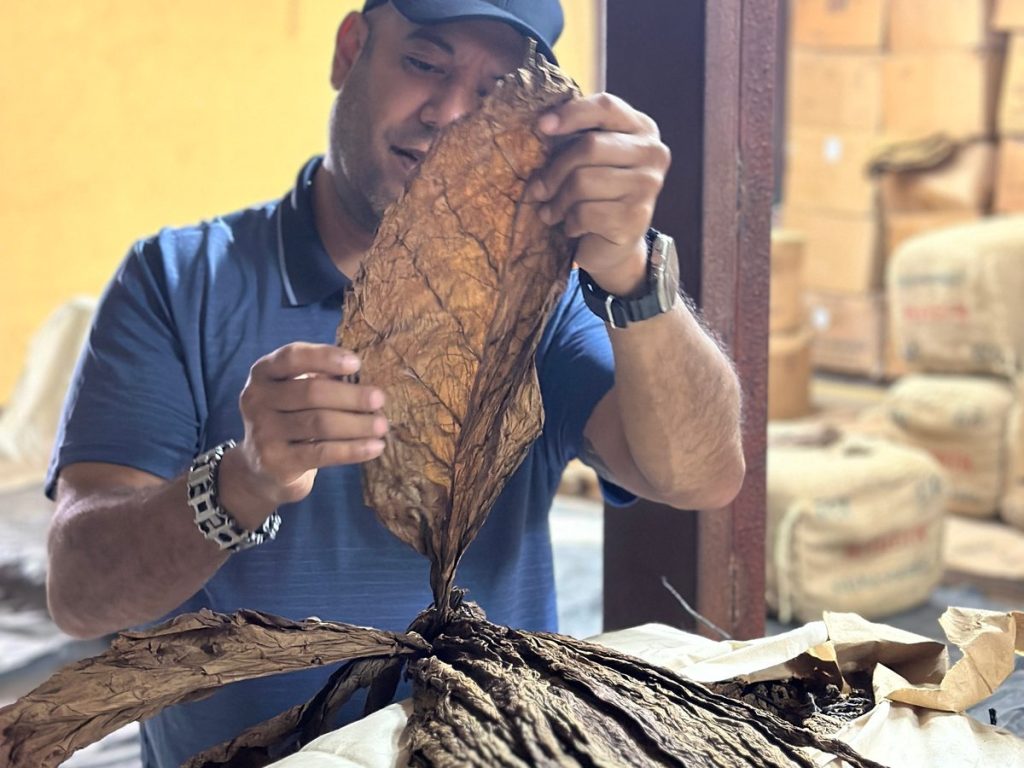
Where to Next
Tell Us About the Cigar You Want to Make
A 30-minute conversation is enough to scope your blend, your packaging, and your real timeline. No pressure, no deposit, just straight answers from the people who’ll actually make your cigars.
We answer every serious inquiry within one business day.