Ecuadorian Tobacco: Cloud-Grown Wrapper
Thick cloud cover grows thin, silky wrapper leaf from Connecticut, Sumatra, and Cuban seed.
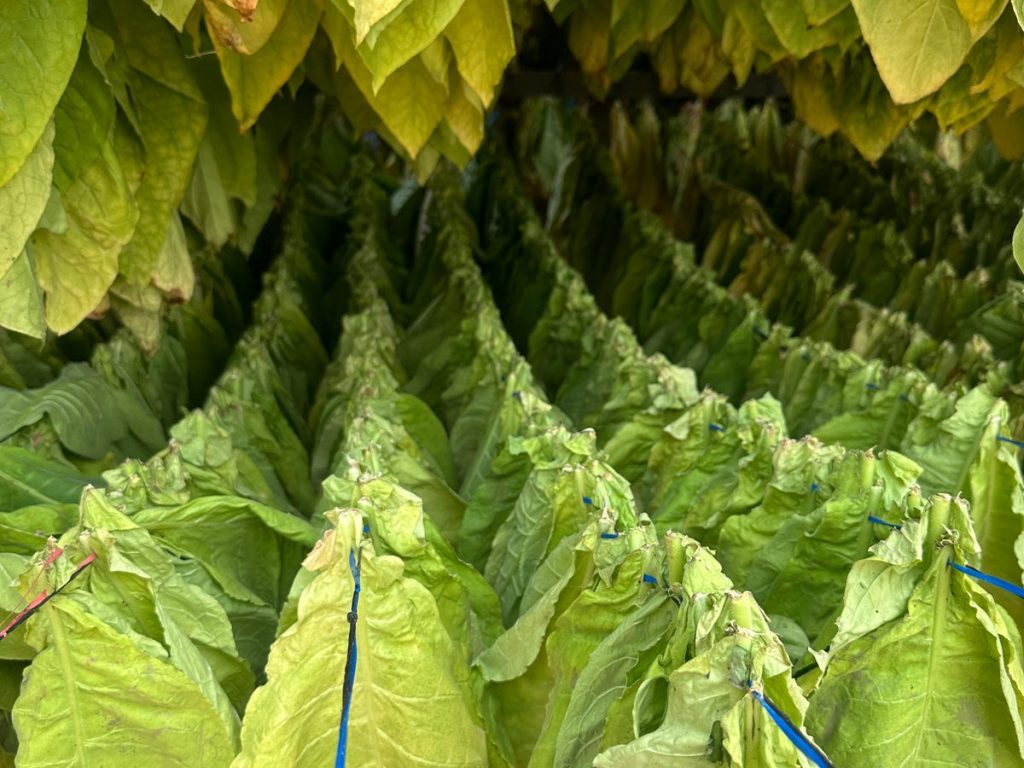
Wrapper Grown Under Natural Clouds
Ecuador is a major source of premium cigar wrapper, the thin outer leaf that gives a cigar its color, texture, and much of its first impression. Thick cloud cover over its tobacco lands filters the sun the way shade tents do in other countries, producing a fine, smooth leaf with an even color.
Growers there work with three kinds of seed: Connecticut, Sumatra, and Cuban. Each gives a different wrapper, from pale and mild to dark, oily, and rich. We use Ecuadorian wrapper in our own blends, sourced through trusted suppliers and our direct relationships with growers.
Where is Ecuadorian cigar tobacco grown?
Ecuador sits on the Pacific coast of South America, and its name is the Spanish word for equator. The Andes divide the country between the Pacific lowlands in the west and the Amazon basin in the east. Cigar wrapper grows in the western lowlands and the foothills of the Andes, mostly in two provinces, Los Ríos and Guayas.
Much of it comes from Los Ríos, around the farming hub of Quevedo, which lies between Guayaquil, Ecuador’s largest city, and Quito, the capital. By road, Quevedo is about three hours from Guayaquil.
Neighboring Guayas Province grows wrapper too, including on farms in the Andean foothills. Soil changes from farm to farm. Some fields in Los Ríos have fine, powdery soil, while foothill farms can be rockier and coarser, and the same seed grown in each gives a leaf with a different character and taste.
How cloud cover shapes the leaf
During the growing season, the cloud cover is nearly constant, and often so thick that the Andes cannot be seen from the fields. With less direct sun, the plants grow tall as they reach for the light, and their leaves come out thin and supple, with small veins and a uniform color. Growers need no netting or shade cloth. The clouds provide the shade, which is why we call this leaf cloud-grown.
The soil helps too. Around Quevedo, much of it formed from volcanic ash, which makes it fertile and good at holding moisture.
The growing season runs from about May into January, depending on the farm and the year. After picking, the leaf is hung in barns to cure, and growers can add heat to keep the humidity in check.
Ecuador grows far more wrapper than filler. Wrapper is the most valuable leaf in a cigar, often several times the price per pound of filler or binder. Growers pick the leaves by hand, a few at a time as they ripen, and most of the crop is graded for wrapper.
How Ecuador became a wrapper country
Ecuador’s lowlands have long grown crops such as cacao, bananas, and coffee. Premium cigar tobacco took hold in the 1960s, when growers around the world looked for new sources of wrapper after the U.S. trade embargo on Cuba.
Connecticut seed made Ecuador a major wrapper source. The Connecticut River Valley in the United States is the original home of shade wrapper, but every leaf there grows under cloth tents, and the work takes a great deal of labor. Ecuador could grow the same type of leaf without tents, at much lower land and labor costs. Ecuadorian Connecticut also needs less fermentation and aging after the barn than the U.S. original, so it is ready to use sooner.
Many manufacturers made the switch, and Ecuadorian Connecticut is now a very common wrapper on premium cigars.
The newest of the three is Cuban-seed wrapper, which the trade calls Ecuador Havana or Habano. Plantings grew quickly in the early 2000s.
The wrappers Ecuador grows
Connecticut seed
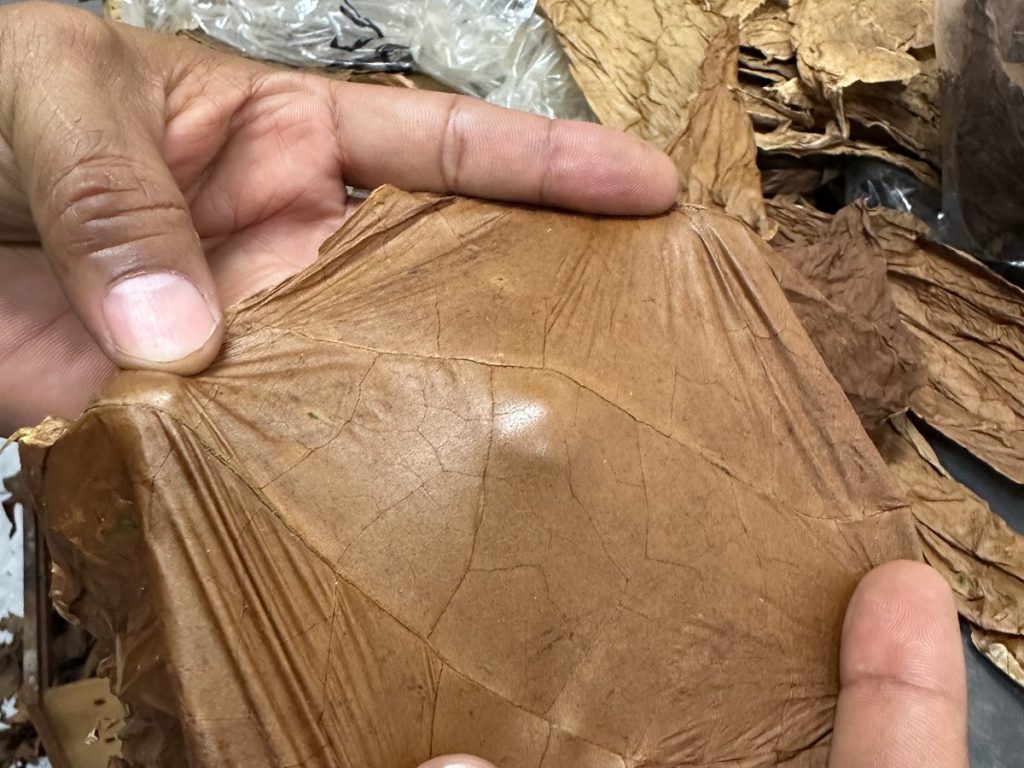
This is the mildest of the three seeds. The leaf is light golden brown to tan, with a silky surface that is often shiny with oil. The plants grow tall, typically 8 to 12 feet (about 2.4 to 3.7 meters).
The smoke is smooth and mild, which lets the binder and filler underneath come through. Tasting notes often include cedar, light toast, and a touch of pepper. Compared with Connecticut shade grown in the United States, the Ecuadorian leaf is usually a little darker and richer, and it tastes sweeter when young.
Sumatra seed
Sumatra-seed wrapper is darker, oilier, and stronger than Connecticut seed, and it is often described as sweet and spicy. The plants are shorter, typically 5 to 7 feet (about 1.5 to 2.1 meters). The seed originally came from Indonesia.
Cuban seed
Cuban-seed wrapper is dark, oily, and rich in flavor. Common varieties include Havana 2000 and Corojo ’99. Its strength and sweetness vary from farm to farm, and even from one field to the next.
Candela
Candela is a bright green wrapper, defined by how it is cured rather than by its seed. The leaf is cured quickly at high heat, which locks in its green color, and it has grassy, herbal notes that are often compared to green tea. Ecuador is one of the main sources of candela today.
How blenders use Ecuadorian wrapper
Wrapper is the leaf you see and touch, so blenders choose it together with the filler and binder underneath.
Connecticut-seed wrapper pairs well with Dominican, Nicaraguan, and Mexican filler, and it is a natural fit for mild to medium blends. Cuban-seed wrapper, by contrast, brings flavor of its own.
Fermentation is just as important. Wrapper that has not been fermented properly can taste bitter, so the right fermentation and the right blend underneath have to work together.
Binder matters as much as wrapper, especially for an even burn and the overall smoking experience. Ecuador supplies some binder as well: leaves that miss the top wrapper grades are often sold for that job.
Ecuador’s Cuban-seed wrapper is also one answer when a client wants a cigar in the Cuban style. The seed traces back to Cuba, but the leaf is grown in Ecuador, which keeps it legal in the United States. Cuban tobacco itself is something we never use or sell.
Beyond tobacco
Ecuador had 16.9 million people at its 2022 census. Quito, the capital, sits high in the Andes at about 2,850 meters (9,350 feet), while Guayaquil is the country’s main port. The Galápagos Islands, roughly 1,000 km (620 miles) off the coast, belong to Ecuador, and the country has used the U.S. dollar since 2000.
The lowlands where wrapper grows are farm country. Los Ríos Province produces bananas, cacao, coffee, and rice as well as tobacco, and Ecuador is the world’s largest banana exporter. Quevedo, the province’s largest city, has about 178,000 people. It has a large Chinese community, and travel guides sometimes call it the “Chinatown of Ecuador.” It is also a center of montubio folklore, the rural culture of Ecuador’s coast.
Where It Fits
- Wrapper: golden tan to dark brown, depending on the seed
- Seeds: Connecticut for mild, Sumatra for sweet spice, Cuban for dark richness
- Binder: lower-grade wrapper leaf
Where to Next
Tell Us About the Cigar You Want to Make
A 30-minute conversation is enough to scope your blend, your packaging, and your real timeline. No pressure, no deposit, just straight answers from the people who’ll actually make your cigars.
We answer every serious inquiry within one business day.