
Cigar Tobacco Regions
Every blend is a map. Twelve origins on four continents, each described the way a blender sees it.
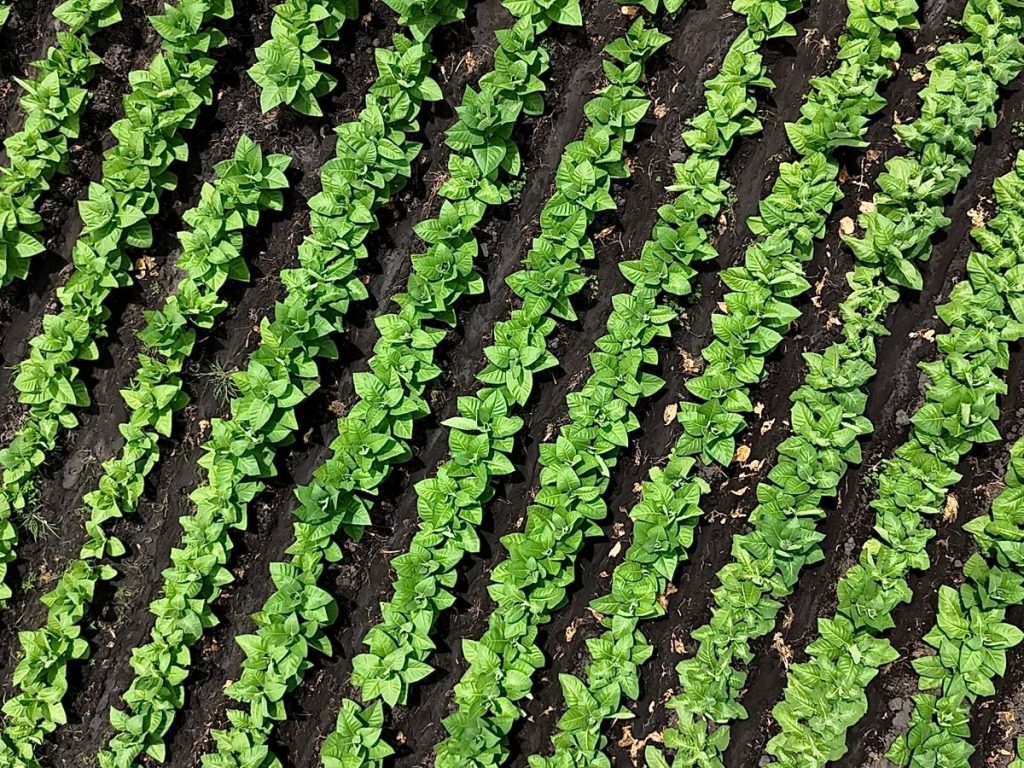
Mainstream cigar tobacco grows on four continents, and each origin has its own character. Start in Nicaragua, where Cigar Co Lab makes its cigars, then explore the rest on the map or in the cards below, in alphabetical order, with Cuba last as a comparison.
A Short History of Cigar Tobacco
The tobacco plant comes from the Americas, where Indigenous peoples grew and smoked it for centuries before Europeans arrived. In Maya lands it was being smoked over a thousand years ago. In November 1492, two of Christopher Columbus’s men reported seeing villagers on Cuba smoke dried leaves, and tobacco soon began crossing the Atlantic to Europe.
Spain’s colonies became the first great source of leaf, and the crown took control of the trade. During the 1700s, tobacco was a royal monopoly across much of Spanish America, from Cuba and Mexico to Peru, Colombia, and Central America.
The monopolies gave way in the 1800s, and cigars became a global business. Havana rolled cigars from the leaf of western Cuba, while planters elsewhere found tobacco that suited their own soil. Dutch planters on Sumatra began growing a thin, fine wrapper in the 1860s, farmers in the Connecticut River Valley took up cigar leaf, and in Brazil and Mexico, Bahia and Veracruz developed cigar-leaf growing of their own. Cuban and Spanish cigar makers carried the craft to Key West and then to Ybor City, in Tampa.
The twentieth century redrew the map. In the late 1950s, French plantations in Cameroon began training growers for what became a major wrapper source. Then the Cuban Revolution of 1959 and the U.S. embargo of 1962 sent growers and cigar makers out of Cuba, and they took their seed and skills to Nicaragua, Honduras, and the Dominican Republic, where much of the modern premium cigar industry took shape. Ecuador’s cloud-covered lowlands, which began growing premium leaf in the 1960s, grew into a major source of wrapper.
The 1990s cigar boom in the United States pushed growers to plant far more tobacco, especially in the Dominican Republic and Nicaragua, and growers and makers have kept adapting since. Today, viable commercial quantities of cigar tobacco are grown on four continents, and each origin below has a story of its own.
No Tobacco Is Better or Worse, Only Different
Cigar tobacco works a lot like wine. A grape tastes different depending on the soil, the climate, the altitude, and the variety, and then the winemaker’s choices in the cellar change it again. Tobacco follows the same logic. The same seed grown in two valleys gives two different leaves, and the way each leaf is cured, fermented, and aged finishes the job.
That is why this page has no rankings. A mild, silky Connecticut-seed wrapper is not worse than a bold Estelí ligero, and neither is better than the other. They do different jobs, and a good cigar uses each origin’s character where it fits.
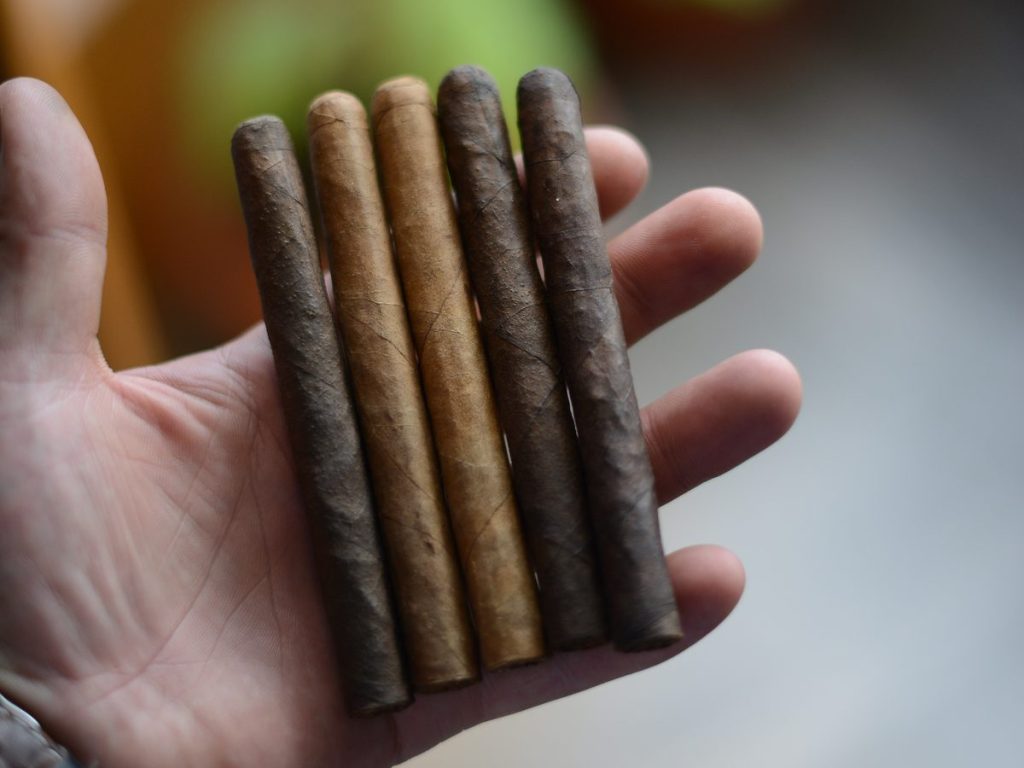
Putting those characters together is the blender’s craft. The wrapper gives a cigar much of its flavor and appearance; the binder holds the bunch together and helps set the burn; and the filler adds strength and body. A blender chooses each leaf, and its share of the whole, so that they work in harmony, and it takes both knowledge and instinct: science to understand the leaf, and art to taste how it will come together. It is also why a single cigar can combine tobacco from several countries. Step inside The Lab, our blending room, to see that craft at work.
From Field to Factory
Cigar tobacco takes much longer to prepare than most people expect. Going from seed to a finished cigar usually takes more than a year. Below are the high-level steps.
- Seedlings: seeds are sown in seedbeds or greenhouse trays in the fall, and the young plants move to the fields about 45 to 60 days later.
- Growing: filler and binder tobacco grows in full sun. Wrapper is often grown under shade netting or cloud cover, which keeps the leaf thin, smooth, and even in color.
- Harvest: leaves are picked by hand, a few leaves at a time, working up the plant from the bottom over several weeks. This process is known as “priming,” and each leaf is sorted by its priming level. Where a leaf grows on the plant decides its role. Volado, from the bottom, is mild and helps the cigar burn. Seco, from the middle, brings flavor and aroma. Viso and ligero, higher up, take more sun and carry more strength, with ligero the strongest of all.
- Curing: the leaves are tied in pairs, hung on wooden poles, and air-cured in large barns for around 45 to 60 days, slowly drying and turning from green to brown.
- Fermentation: cured leaf is stacked in large piles called pilones. The weight of the pile and the moisture in the leaves make it heat up, and workers take it apart and rebuild it whenever the temperature climbs too high. This natural heat mellows the harshness of young tobacco and develops its flavor. It takes months, and longer for thick leaf like ligero.
- Sorting and aging: the leaf is sorted by size, color, and texture, then packed into bales and aged for months or years before it is ready for a blend.
- Rolling: at our two factories in Estelí, the leaves are deveined, then bunched according to the blend and pressed in molds. The wrapper leaf is moistened just before it is rolled on by hand.
- Resting: finished cigars are checked by our quality control team and rest in an aging room before they are banded and boxed.
To watch the entire process, see our team’s 95-minute documentary, How a Cigar Is Made.
Nicaragua and Its Six Regions
Nicaragua is where Cigar Co Lab, a custom cigar manufacturer, makes its cigars, in two factories in Estelí, and it is the origin this page begins with. Its northern valleys lie within a few hours of each other yet grow very different leaf, from bold, heavy filler to delicate, sweet wrapper, and the island of Ometepe adds a small crop of its own.
A great deal of it descends from Cuban seed, a legacy of growers who left Cuba after the 1959 revolution and rebuilt their farms here. Our Nicaragua overview covers the whole country, and each of the six regions below has a page of its own.
Estelí
The cigar capital, in the northern highlands. Dark volcanic soil grows thick, oily, full-bodied leaf, and Estelí ligero ranks among the strongest cigar leaf anywhere. Blenders use it sparingly, in the middle of the filler, since a little goes a long way. Explore Estelí tobacco.
Condega
Condega lies north of Estelí, about 30 km (19 miles) away, and is drier and rockier. Its thinner, medium-bodied leaf is earthy, with light spice and some natural sweetness. Blenders reach for it as binder, and as filler that bridges strong and mild tobacco. Explore Condega tobacco.
Jalapa
Jalapa sits in a cool, humid valley beside the Honduran border, a long drive north of Estelí. Its reddish, clay-rich soil is often compared to Cuba’s Vuelta Abajo, and the valley grows more wrapper than anywhere else in Nicaragua. The leaf is sweet, creamy, and aromatic, with strength from mild to medium. Explore Jalapa tobacco.
Masatepe
South of Managua, in the department of Masaya, Masatepe’s growers still plant Chilcagre, a native black tobacco grown there long before the modern cigar trade. Dried in the sun, then fermented in the earth, it is strong, dark, and resinous, with a funky aroma, and blenders use it as an accent in the filler. Explore Masatepe tobacco.
Ometepe
Far to the south, Ometepe rises out of Lake Nicaragua as a pair of volcanoes. Its volcanic soil and lake water give a small harvest of sweet, earthy leaf with a mineral edge, and blenders add it in small doses, mostly to the filler. Explore Ometepe tobacco.
Pueblo Nuevo
A small micro-region west of Condega, with its own microclimate and soil. Its leaf is heavy and full-bodied, earthy in a mineral, rustic way, and it goes almost entirely into filler. Explore Pueblo Nuevo tobacco.
The Other Origins, from Brazil to Cuba
Brazil
Brazil’s best-known cigar leaf is Mata Fina, grown in full sun in the Recôncavo of Bahia and fermented into maduro and oscuro wrappers. It is a sweet, earthy leaf of about medium strength. Mata Norte, a stronger filler, and Arapiraca, a very dark, oily wrapper, round out the country’s cigar leaf. Explore Brazilian tobacco.
Cameroon
Cameroon wrapper grows far inland, on small family farms in the eastern forests, in open sun under steady cloud cover. Tiny raised bumps of oil give the thin leaf its famous tooth, and its flavor leans toward spice, cedar, and gentle sweetness. It is mild to medium and delicate to work with. Explore Cameroon wrapper.
Colombia
Tobacco has grown in Colombia since colonial times, and its dark leaf is only now finding a place in premium cigars. Santander and the Montes de María are the areas to know. The leaf is earthy, with notes of honey, nuts, and wood, and blenders use it chiefly as filler and binder. Explore Colombian tobacco.
Dominican Republic
The Cibao Valley around Santiago grows smooth, aromatic filler and binder. Olor, the native leaf, is prized for its aroma and its burn, while Piloto Cubano, grown from Cuban seed that arrived in the early 1960s, adds body. Blenders reach for Dominican leaf when a cigar should be smooth and mild to medium. Explore Dominican tobacco.
Ecuador
Thick cloud cover over the western lowlands, mostly in Los Ríos and Guayas, filters the sun like shade tents, so Ecuador grows thin, silky wrapper without any netting. Connecticut seed gives a pale, mild leaf, Sumatra seed a darker, sweet-and-spicy one, and Cuban seed a dark, rich one. Explore Ecuadorian tobacco.
Honduras
Most Honduran cigar tobacco grows in the Jamastrán Valley, close to Danlí and the Nicaraguan border. Grown from Cuban seed, the leaf is known for full flavor: earth, leather, and spice. Most of it goes into filler and binder, with some shade-grown wrapper. Explore Honduran tobacco.
Indonesia
Java and Sumatra grow mild to medium cigar leaf, earthy and aromatic, that goes into binder, wrapper, and filler. The thin Sumatra wrapper began in the Deli district, and the seed behind it now grows wrapper in other countries. Indonesian leaf is a regular binder choice, known for burning slowly and evenly. Explore Indonesian tobacco.
Mexico
San Andrés black tobacco, a tough, dark leaf valued for maduro wrappers, comes from Veracruz’s San Andrés Valley. Volcanic soil, a humid climate, and long fermentation shape its notes of cocoa, coffee, and pepper, with a touch of sweetness. It also serves as binder, and occasionally as filler. Explore Mexican tobacco.
Peru
A small origin in the Amazon rainforest of San Martín, around the city of Tarapoto. The dark leaf is used mostly as long filler, with a mild to medium strength and flavors of coffee, cocoa, nuts, and cedar. Explore Peruvian tobacco.
USA
Connecticut shade, a golden and mild wrapper, and Connecticut Broadleaf, a darker, sweeter wrapper for maduro cigars, are the best-known American cigar leaves, grown in the Connecticut River Valley and in Pennsylvania’s Lancaster County. The country’s cigar story, from farm cigars in New England to the factories of Tampa, is just as rich. Explore American tobacco.
Cuba (Compared)
Premium cigar making grew up on this island, and the Vuelta Abajo valley, at its far western end, grows the leaf behind Cuba’s reputation. Famous is not the same as better: Cuban leaf is bold, earthy, and spicy in style, and every origin on this page is different in its own way. Cigar Co Lab leaves Cuban leaf out of its blends, and U.S. law keeps Cuban cigars out of the American market. See how Cuban tobacco compares with the legal origins that grow tobacco from Cuban seed.
What Each Origin Is Known For
- Wrapper: Ecuador, Cameroon, Mexico, Brazil, and the USA
- Binder: Indonesia, the Dominican Republic, and Condega in Nicaragua
- Filler: Nicaragua, Honduras, the Dominican Republic, Peru, and Colombia
Where to Next
Tell Us About the Cigar You Want to Make
A 30-minute conversation is enough to scope your blend, your packaging, and your real timeline. No pressure, no deposit, just straight answers from the people who’ll actually make your cigars.
We answer every serious inquiry within one business day.