
Dominican Tobacco: Smooth Cibao Leaf
Grown around Santiago in the Cibao Valley, Dominican leaf is known as smooth, aromatic filler and binder.
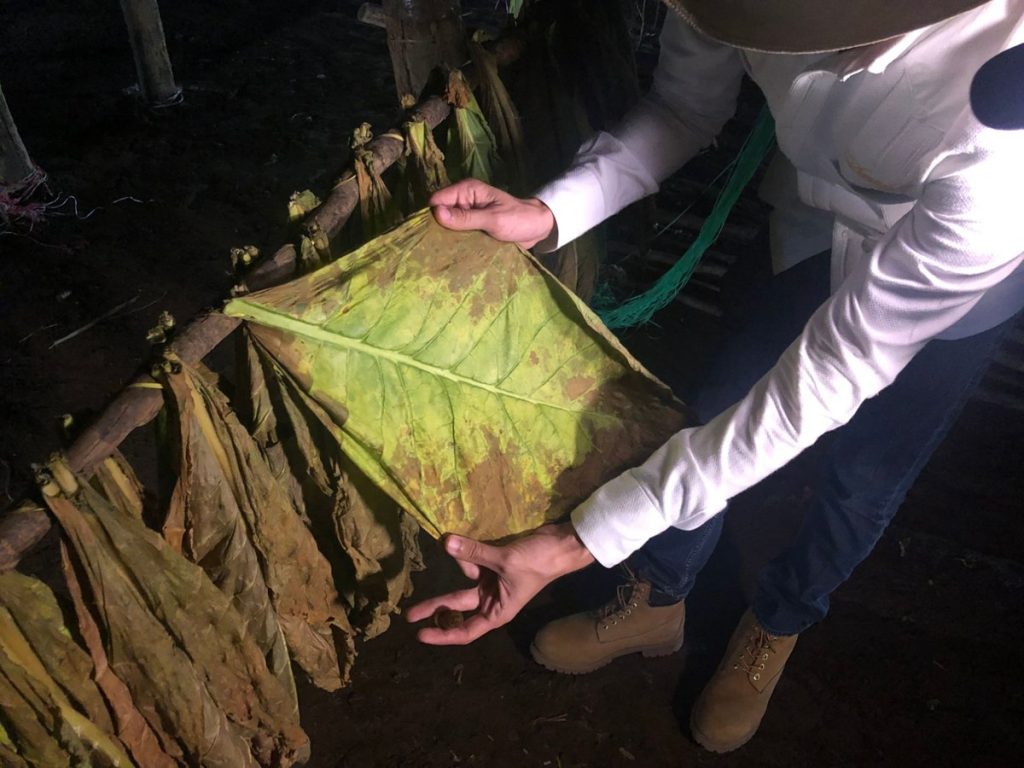
Smooth, Aromatic Leaf from the Cibao Valley
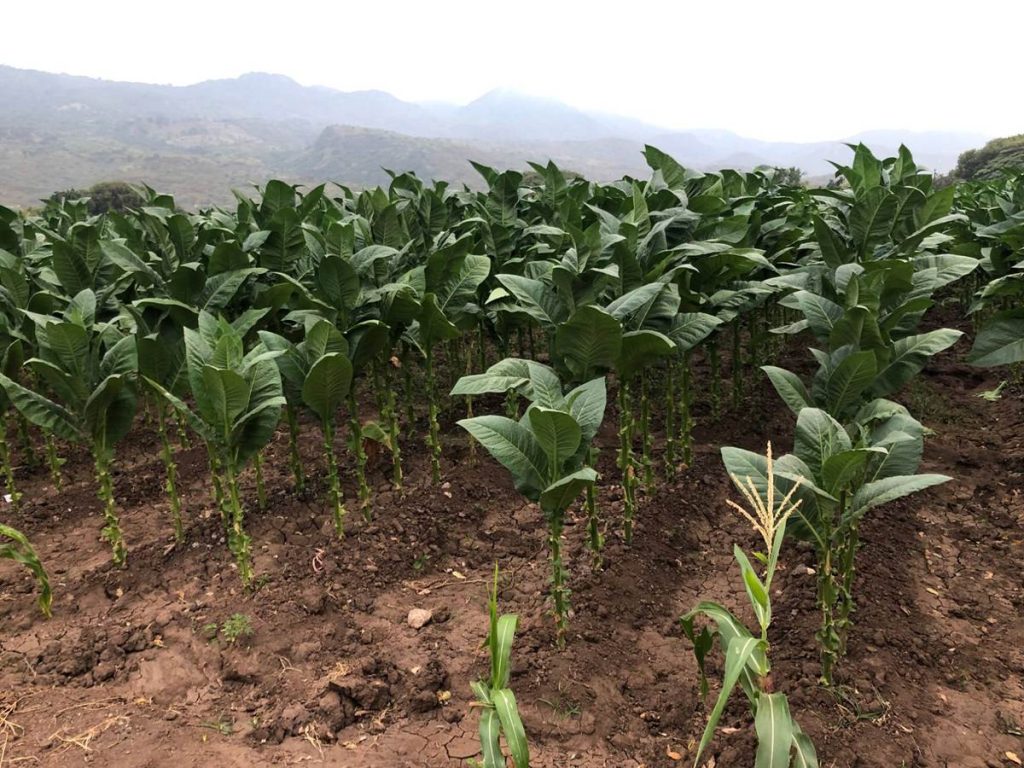
Dominican cigar tobacco is grown mainly in the Cibao Valley, in the north of the country around the city of Santiago. It is best known as smooth, aromatic filler and binder, and it suits the mild-to-medium end of the premium cigar range.
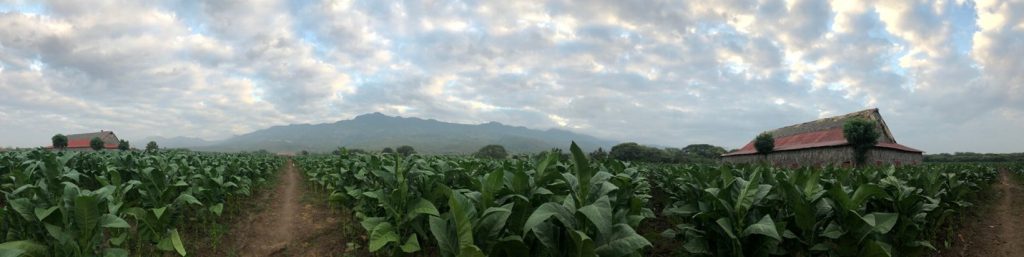
Where is Dominican cigar tobacco grown?
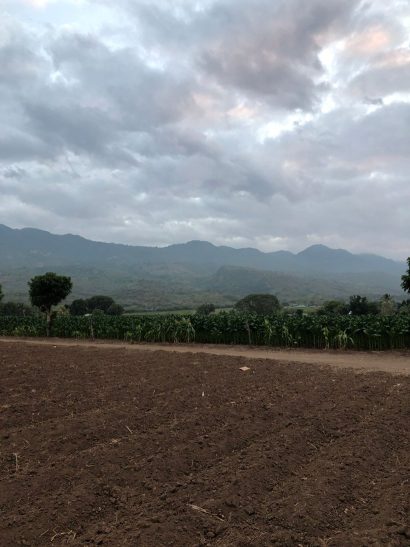
The Cibao Valley runs across the north of the country between two mountain ranges, the Cordillera Septentrional and the Cordillera Central. The Yaque del Norte, the country’s longest river, runs through it, and Santiago de los Caballeros, the second-largest city in the country, sits in the valley.
Tobacco is grown in 15 provinces, but the main growing region for cigar tobacco centers on Santiago. Villa González, northwest of the city, is the heart of cigar tobacco farming, with villages such as Jacagua, Navarrete, and La Canela nearby. Each has its own soil and microclimate, so leaf from one village can differ from the next.
The prime growing area is a strip about 6 miles (10 km) wide that runs roughly 25 miles (40 km) northwest from Santiago. The best leaf grows near the foot of the Cordillera Septentrional.
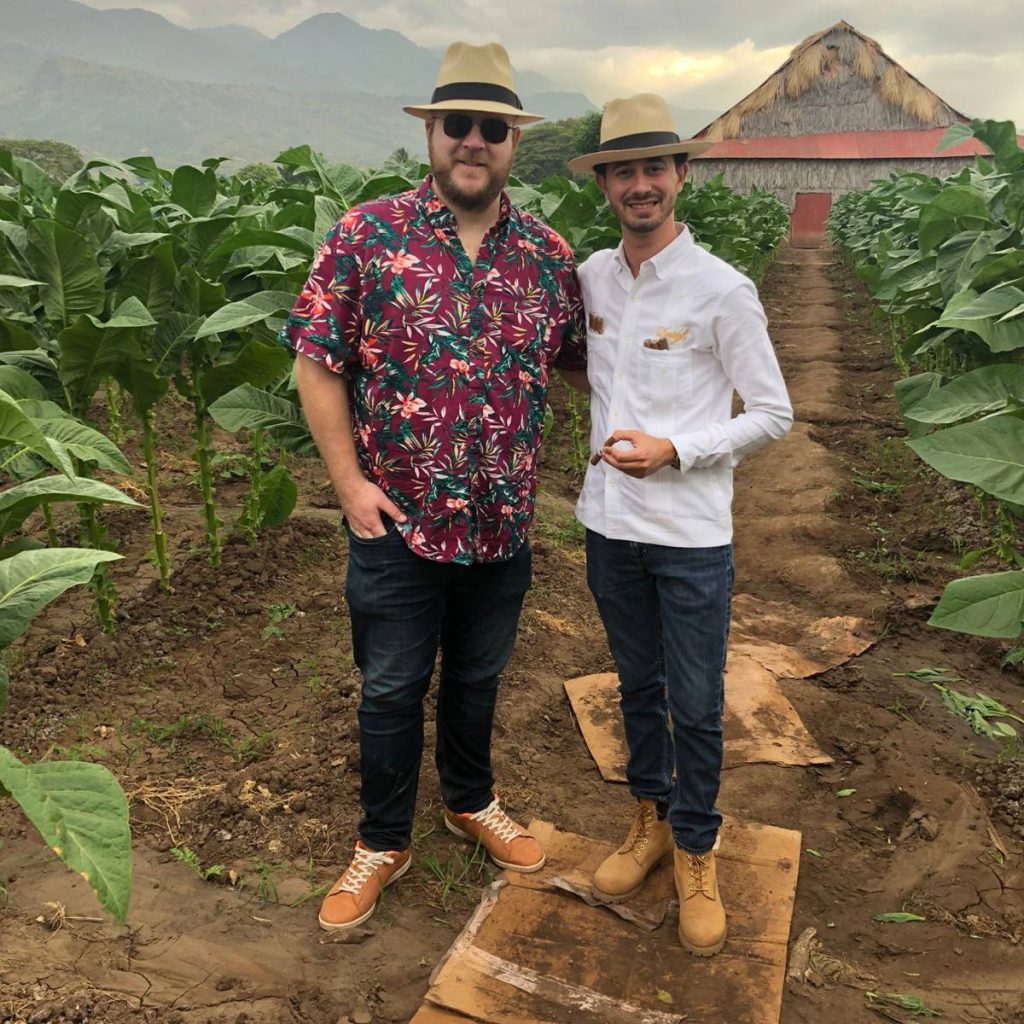
We have walked these fields ourselves. In early 2019, Paul Anthony was invited by Davidoff to the Dominican Republic to see how cigars are made. He was hosted by Klaas Kelner, who acted as tour guide for a week, sharing his third-generation tobacco expertise and passion. Paul’s other business, Bespoke Unit, filmed a 95-minute feature-length documentary on how a cigar is made, “From Seed To Smoke”.
Olor, Piloto Cubano, and San Vicente
The country has traditionally grown mild filler, and growers have since added fuller, heavier-bodied tobaccos. Wrapper is a newer development, and filler and binder remain the country’s strength.
Weather shapes each crop. A very wet season can delay planting, and a dry one can shrink the harvest on farms without irrigation, so growers who irrigate have more control over quality.
Olor
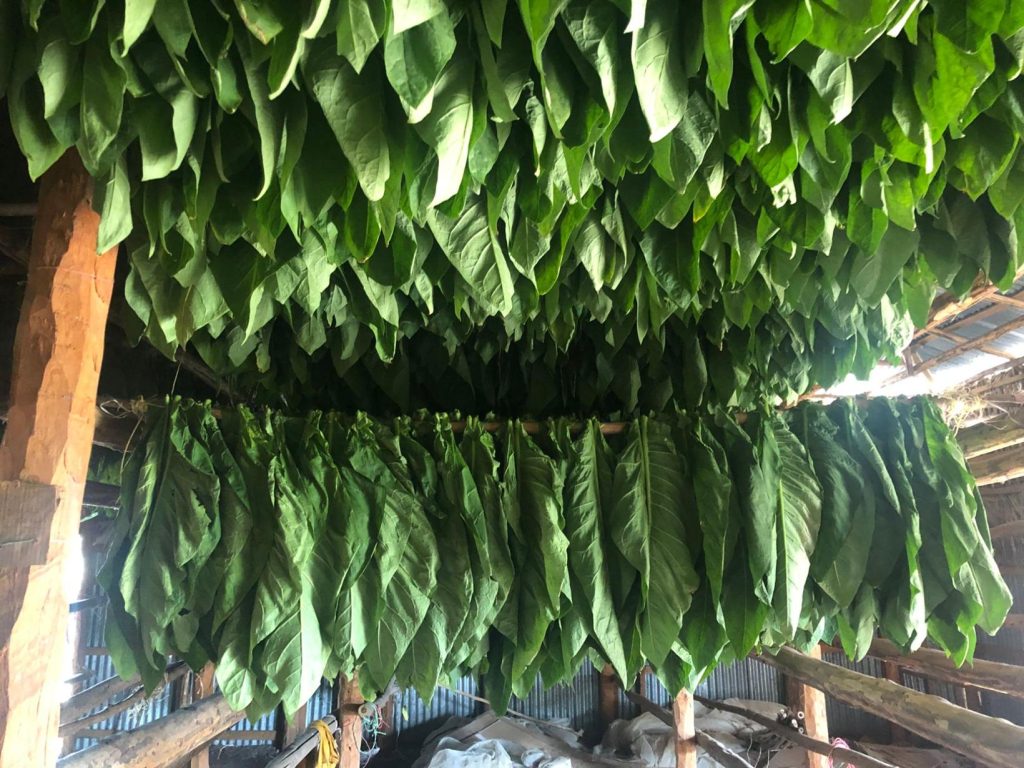
Olor is the native Dominican leaf. Its leaves are large and thin, and they are prized for their complex aroma and for how well they burn and blend. Olor is used as filler and especially as binder.
Piloto Cubano
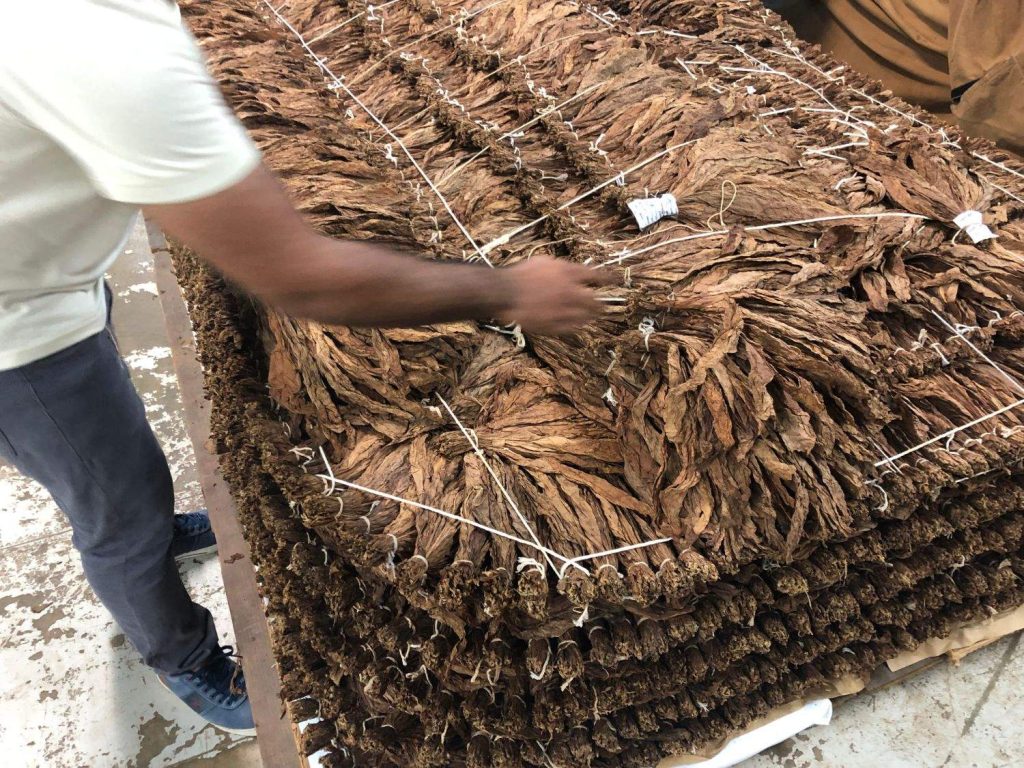
Piloto Cubano is grown from Cuban seed that reached the Dominican Republic in the early 1960s. It is fuller-bodied and richer than Olor, and it is used mainly as filler, where it adds body and strength to a blend. San Vicente, a Piloto hybrid, is also grown.
San Vicente
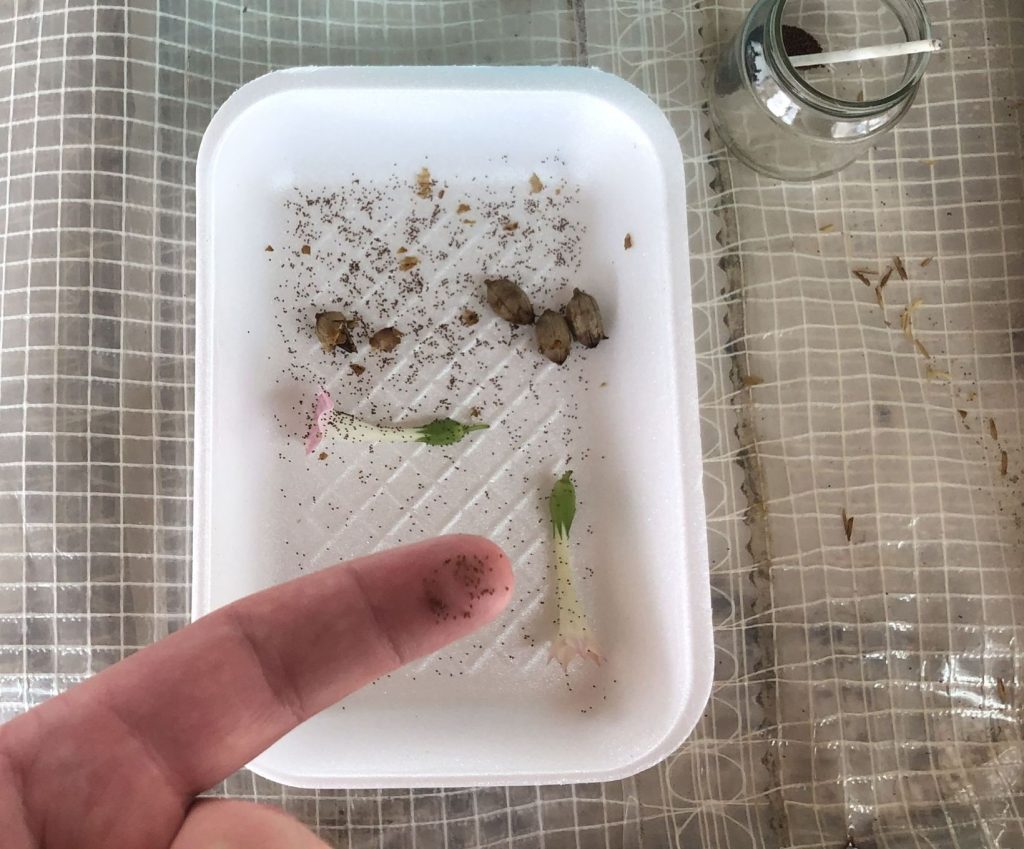
San Vicente is a third leaf type grown alongside Olor and Piloto Cubano, and Dominican cigar makers have used it since at least the late 1970s. Its plants yield more leaves than Piloto Cubano plants, and the leaf is more acidic, although some purists say its flavor does not match Piloto’s.
How Dominican tobacco became a cigar leaf
Tobacco is much older here than the cigar industry. The Taíno grew it before 1492, and in the 1800s it became one of the country’s main exports, tying the Cibao to markets overseas.
The modern cigar industry took shape after the Cuban Revolution. Cuban cigar makers and growers who left the island brought their know-how, and Cuban seed arrived in the early 1960s. Piloto Cubano grew from that seed and is now considered Dominican.
Plantings more than doubled in two seasons during the 1990s cigar boom, and the country became one of the world’s premier cigar tobacco regions.
How blenders use Dominican leaf
Dominican filler and binder are a natural base for smooth, mild-to-medium blends. Connecticut-seed wrapper from Ecuador is a good match, and blenders who want more strength can add leaf from Nicaragua.
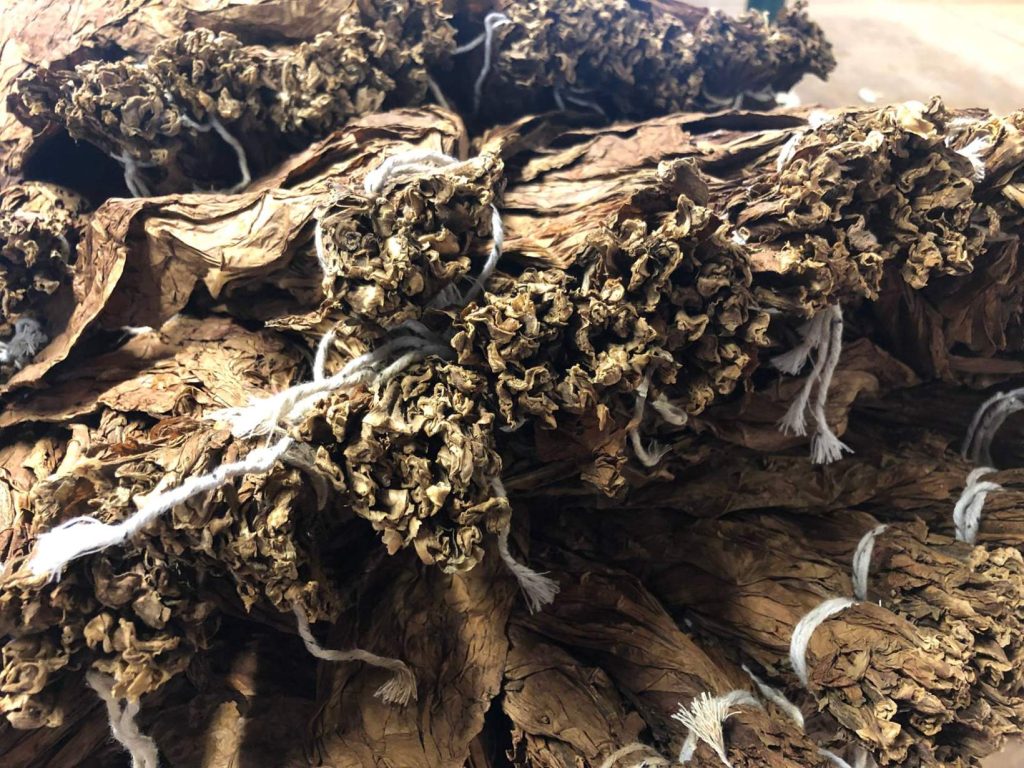
Cuban tobacco is not part of our blends, but Cuban-seed leaf like Piloto Cubano is one way to build a Cuban-style blend from legal tobacco. See how Cuban tobacco compares.
Visiting the Cibao: Santo Domingo to Santiago
A common route is to fly into Santo Domingo, the capital and largest city, and spend a day or two in its Colonial City before driving north. Santiago also has its own international airport, with flights to the United States.
The Colonial City of Santo Domingo
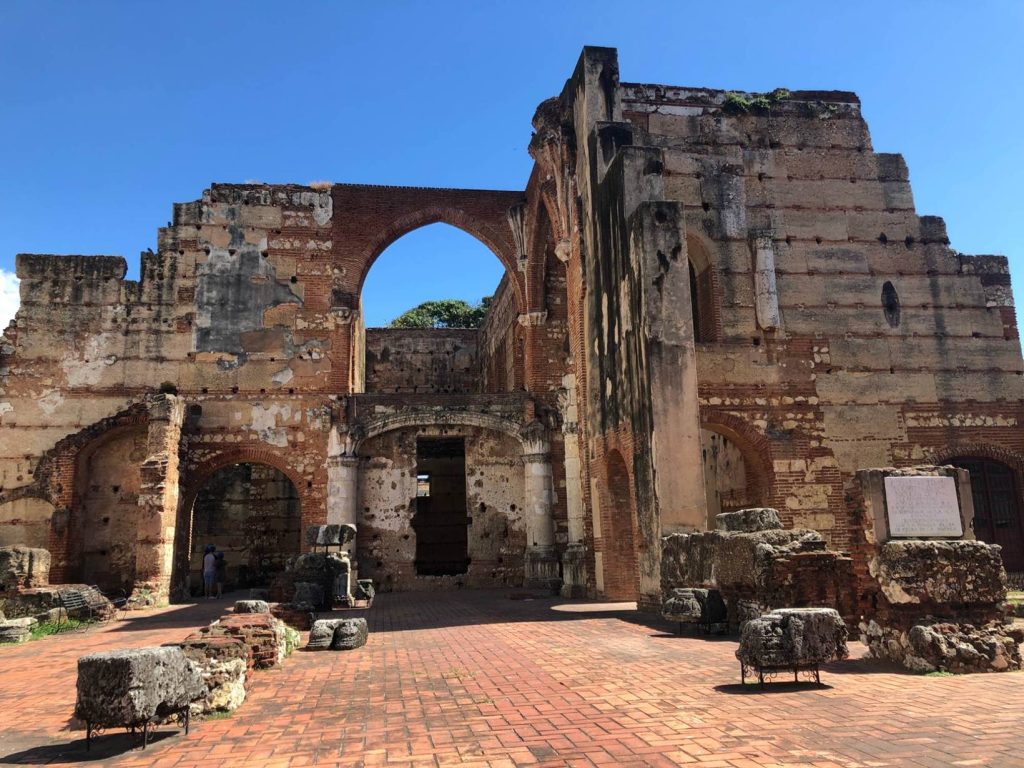
The Colonial City is a UNESCO World Heritage Site, listed in 1990, and the oldest continuously inhabited European settlement in the Americas. Bartholomew Columbus, the brother of Christopher, started the settlement in 1496, and it became official in 1498. A hurricane destroyed it in 1502, and Governor Nicolás de Ovando rebuilt it across the Ozama River on a street grid.
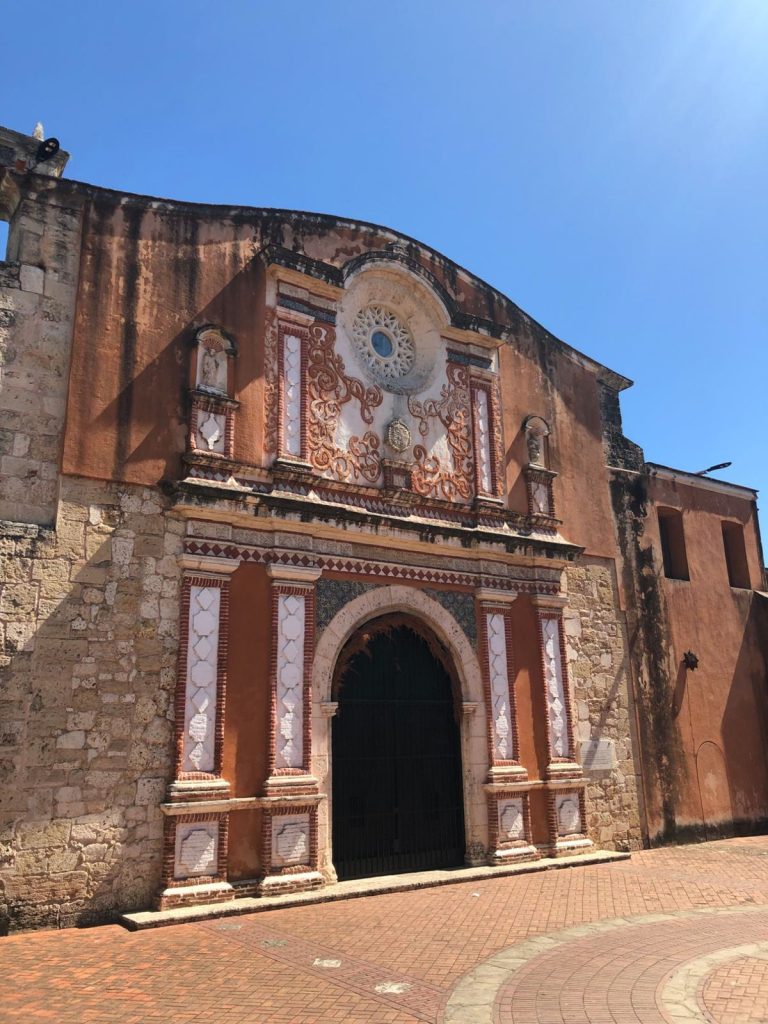
The district covers only about one square kilometer, so it is easy to explore on foot. Highlights include:
- Calle Las Damas, a cobblestone street dating from 1502
- The Cathedral of Santa María la Menor, the first cathedral in the Americas
- The Alcázar de Colón, built in 1510 as the Columbus family’s palace
- The Fortaleza Ozama, the oldest military construction of European origin in the Americas
On to Santiago
From Santo Domingo, the Autopista Duarte runs about 155 km (96 miles) northwest to Santiago, a drive of a little over two hours depending on traffic.
Santiago had about 770,000 people at the 2022 census, and it is the center of the Dominican cigar industry, much as Estelí is in Nicaragua.
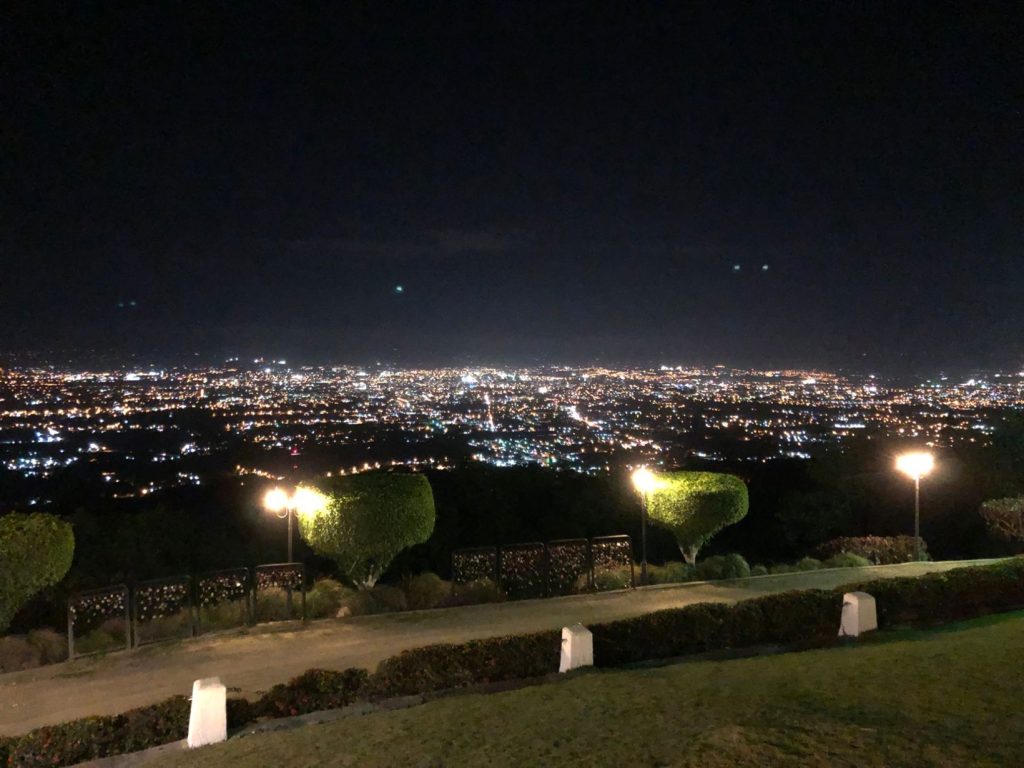
Each February, Santiago hosts the ProCigar Festival, with factory and tobacco field visits, tastings, and a closing charity auction.
Beyond tobacco
The Dominican Republic takes up the eastern five-eighths of the island of Hispaniola and shares it with Haiti. Spanish is the official language, and about 11 million people live there.
Pico Duarte, in the Cordillera Central on the south side of the Cibao Valley, rises to 3,098 meters (10,164 feet), the highest peak in the Caribbean. In Santiago, the 67-meter marble Monumento a los Héroes de la Restauración honors the 1863 to 1865 Restoration War against Spain.
Lunch is traditionally la bandera, a plate of white rice, beans, and stewed meat. A common breakfast is mangú, mashed green plantains with pickled red onions, often served with fried cheese, salami, and eggs. The usual cup of coffee is strong, black, and sweet, served in a small cup, and visitors are welcomed with one. Coffee is grown in the highlands of the Cibao, including near Moca and Jarabacoa.
Where It Fits
- Filler: Piloto Cubano for body, Olor for aroma
- Binder: Olor, prized for its burn and blending
- Wrapper: newer Dominican-grown leaf for some blends
Where to Next
Tell Us About the Cigar You Want to Make
A 30-minute conversation is enough to scope your blend, your packaging, and your real timeline. No pressure, no deposit, just straight answers from the people who’ll actually make your cigars.
We answer every serious inquiry within one business day.