
Jalapa Tobacco: The Wrapper Valley
A valley on the Honduran border with prized reddish soil, where much of the leaf that wraps Nicaraguan cigars is grown.
Where Nicaragua’s Wrapper Grows
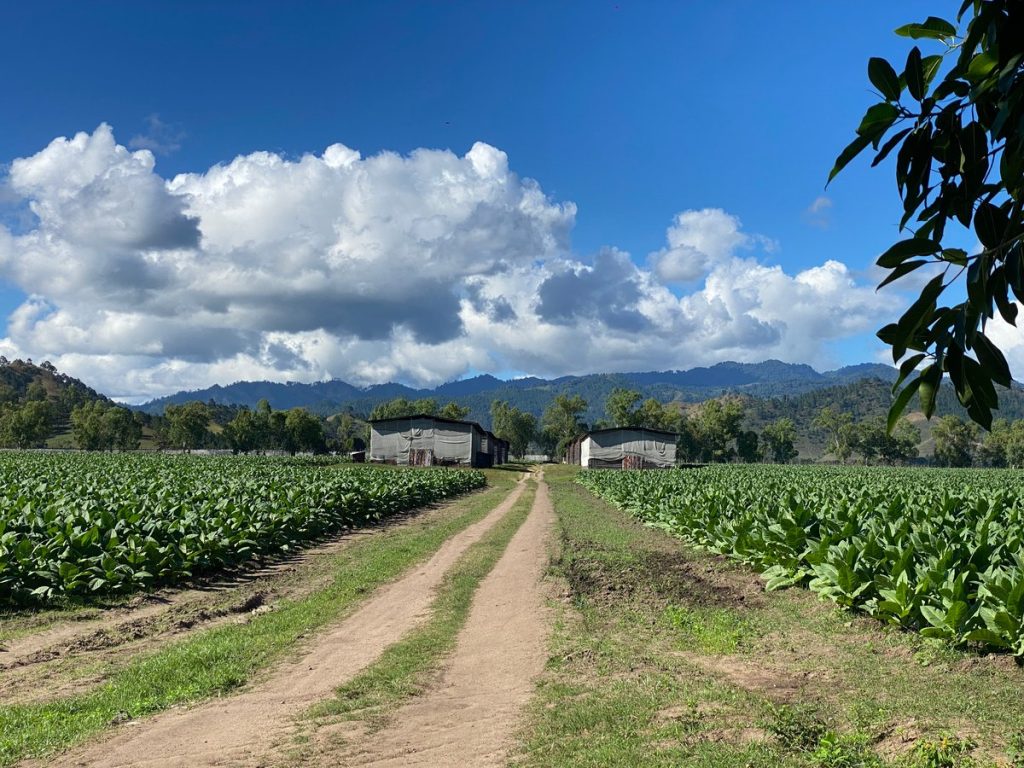
Jalapa is the northernmost of Nicaragua’s three main tobacco growing areas, alongside Estelí and Condega, and it grows more wrapper leaf than anywhere else in the country. Its tobacco is sweeter and milder than Estelí’s, and its fine, even leaf ends up as the wrapper on a great number of Nicaraguan cigar blends.
Where is Jalapa?
Jalapa is a municipality in the department of Nueva Segovia, in the far north of Nicaragua, where it borders Honduras. The town is about 300 km (186 miles) north of Managua, the capital, and a three to four hour drive from Estelí, over roads that are slow going in places.
It sits in a wide valley at around 690 meters (about 2,250 feet), ringed by hills and mountains that climb to roughly 1,500 meters (about 4,900 feet) along the Honduran border. They are part of the Dipilto and Jalapa range. Coffee covers much of its protected reserve, which also takes in Cerro Mogotón, the highest point in Nicaragua.
About 75,000 people live in the municipality, close to 60 percent of them in town, making it the most populous municipality in Nueva Segovia. Corn, beans, coffee, and tobacco drive the local economy.
What makes Jalapa tobacco different?
The valley’s reddish-brown, clay-rich soil is counted among the most prized tobacco ground in the world, and it is often compared to the Vuelta Abajo, Cuba’s most famous tobacco district. The climate sets Jalapa apart too. It is cooler, more humid, and rainier than Nicaragua’s other tobacco regions, which favors leaf with an even color and a refined character.
Much of the wrapper here is shade-grown. Growers cover the fields with netting that filters the sun and keeps the leaves thin and even, which is what a wrapper needs to look good on the finished cigar (see our Ecuador page for more on shade-grown tobacco). Filler tobacco, by contrast, grows in full sun.
Smokers usually describe Jalapa leaf as sweet, creamy, and aromatic. It is milder than tobacco from Estelí or Condega, but it is not flat, and it has a quiet strength of its own.
How is Jalapa tobacco used in cigars?
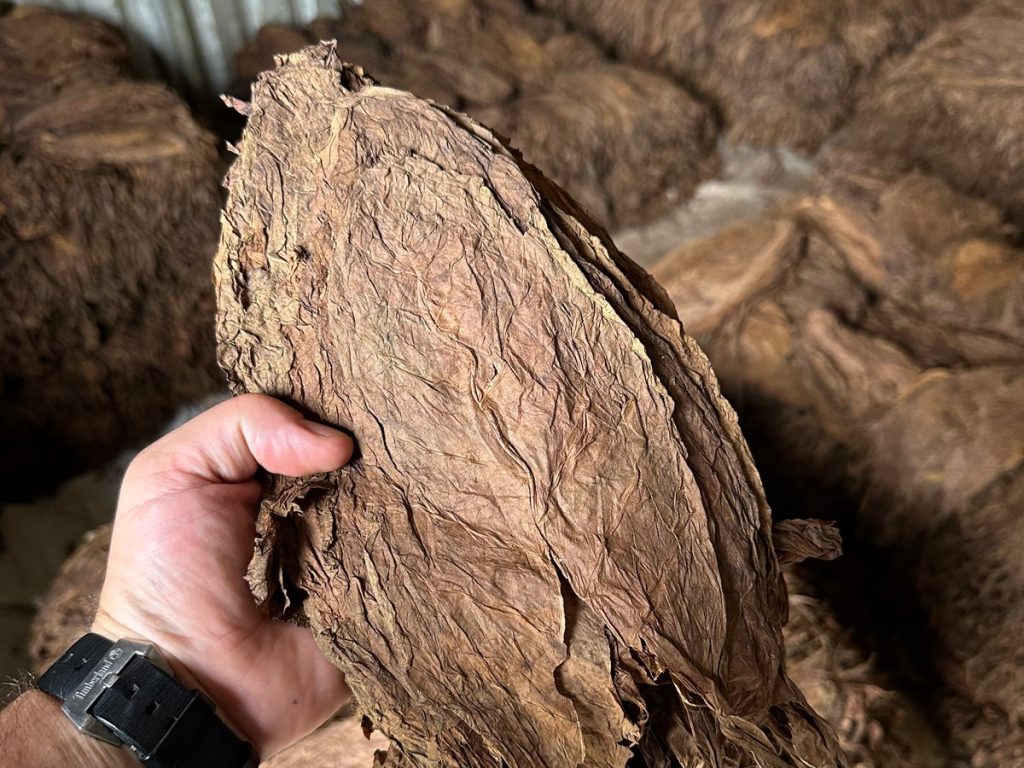
Jalapa’s main tobacco output is wrapper, the outer leaf that gives a cigar its look and the first flavors that reach the lips. Its leaf is thin, evenly colored, and notably elastic, so it stretches around a cigar without tearing. That elasticity makes it well-suited for rollers applying wrapper. Wrapper tobacco is delicate and highly valuable, so some farms in the valley focus mostly on cigar wrapper due to its specialized handling and processing.
The valley also grows filler. In a blend, Jalapa filler adds sweetness and aroma and softens bolder tobaccos, which is why it so often appears alongside leaf from Estelí. Varieties grown here include Cuban-seed strains such as Corojo and Criollo, among them types developed specifically for the valley. If you know Cuban cigars, our honest comparison with Cuban tobacco shows where Jalapa fits.
A short history of tobacco in Jalapa
The first Cuban-seed tobacco was planted in the valley in the 1950s. Jalapa was remote then, and growers from that time remembered having no proper road in and rivers to cross without bridges. The real growth came after the 1962 US embargo cut off Cuban leaf, when growers who had farmed in Cuba invested in land and curing barns here, and Jalapa grew into one of the pillars of the Nicaraguan cigar industry.
The town itself is far older. Its name comes from the Nahuatl Xalapan, “place of sandy water,” often linked to an ancient lake that once filled the valley, where fossil snails and other lake creatures have been found. Spanish records list Jalapa as an Indigenous community in 1603. It became a municipality in 1891 and was named a city in 1971.
Jalapa also has a link to the United States. It has been a sister city of Boulder, Colorado, since the 1980s.
Corn and the Maize Fair
Corn is central to life in Jalapa. Every September, in the third week of the month, the town celebrates it with the National Maize Fair (Feria Nacional del Maíz).
The fair features a parade of floats decorated entirely with parts of the corn plant. A Maize Queen is chosen, and she wears a dress made from the same materials. Riders on horseback compete in the corrida de cinta, racing beneath ribbons hung across the street and trying to catch as many as they can. The winner earns the right to ride through town with the queen, and that night the two are crowned Queen and King of the fair, with music and fireworks.
Local food is built on corn too. Look for atol de maíz, a warm corn drink traditionally served in a huacal (a bowl made from the dried shell of the jícaro fruit) and drunk before coffee. Nacatamales and rosquillas are worth trying as well. Jalapa’s patron saint, the Immaculate Conception, is honored on December 8.
Where It Fits
- Wrapper: thin, elastic, mostly shade-grown leaf
- Filler: sweetness and aroma that soften bolder tobaccos
- Balance: the natural partner to Estelí’s strength
Where to Next
Tell Us About the Cigar You Want to Make
A 30-minute conversation is enough to scope your blend, your packaging, and your real timeline. No pressure, no deposit, just straight answers from the people who’ll actually make your cigars.
We answer every serious inquiry within one business day.