
Estelí Tobacco: The Cigar Capital
The heart of Nicaragua’s cigar industry, where dark volcanic soil grows strong, spicy tobacco and most of the country’s factories roll it. It is also where we live and work.
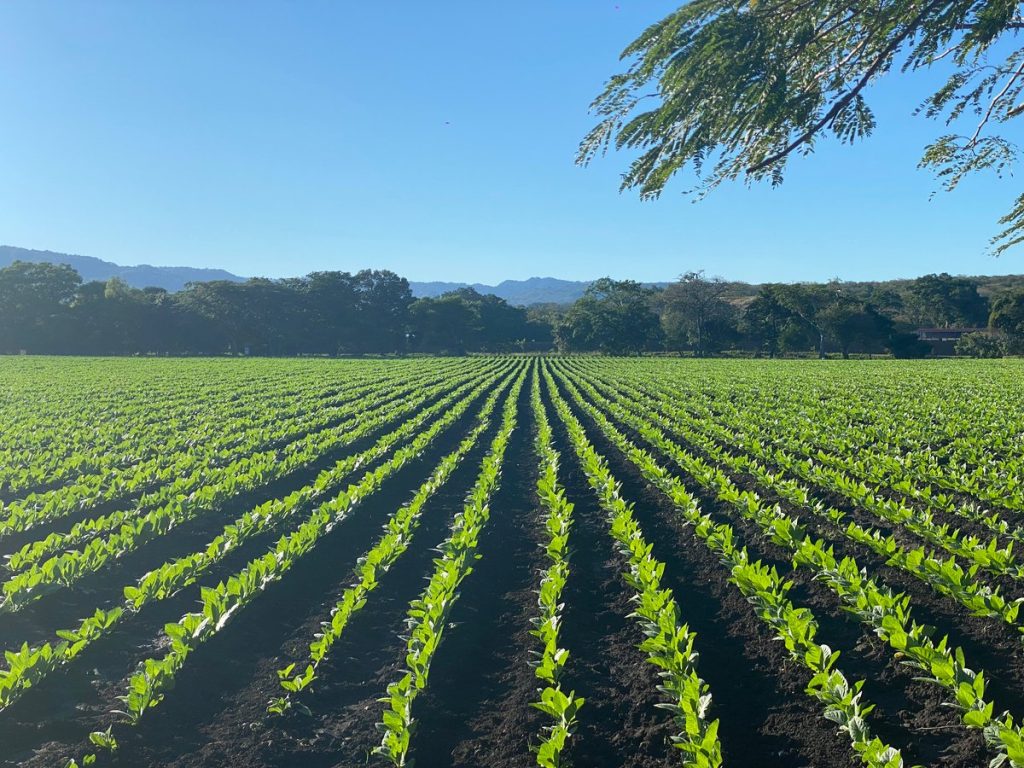
Nicaragua’s Cigar Capital
Estelí is the center of Nicaragua’s premium cigar industry, and arguably the world’s. Most of the country’s cigar factories are here, and the valleys around the city grow some of the strongest, most full-bodied cigar tobacco anywhere. It is also home to Cigar Co Lab. Our two factories are in Estelí, and we live here year-round.
Where is Estelí?
Estelí is the capital of the department of the same name, in the highlands of northern Nicaragua. It sits on the Pan-American Highway about 147 km (91 miles) north of Managua, at around 840 meters (2,770 feet). The highway splits the town in two, with most of the city to the west of it. It is best avoided at rush hour.
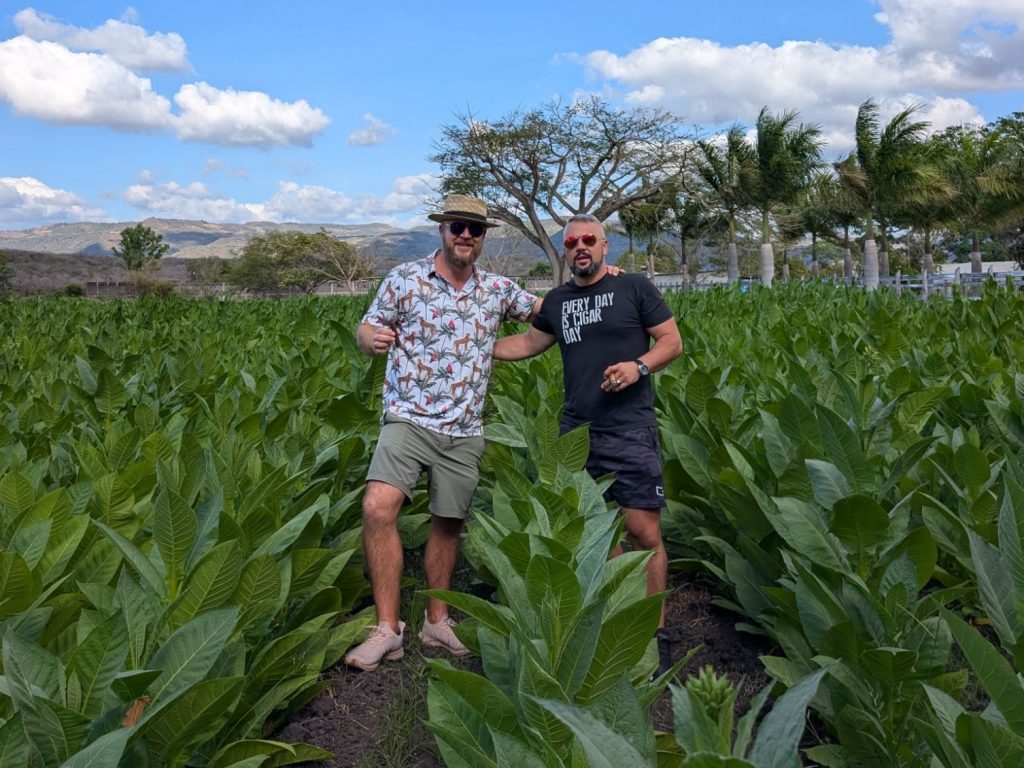
The altitude keeps it cooler than the Pacific lowlands, with daytime highs averaging about 28°C (83°F) and nights that drop to around 17°C (62°F). The rainy season runs from May to October, and January to April is dry. Tobacco is grown in the drier months, from about November to May, depending on that year’s weather.
About 132,000 people live in the municipality, most of them in the city itself. Estelí’s nickname, the Diamond of the Segovias (El Diamante de las Segovias), dates back to a local radio program in 1960.
What Estelí tobacco is like
Estelí tobacco grows in dark, nutrient-rich soil formed from volcanic rock. Together with strong sun, altitude, and relatively little wind, that soil produces thick, oily, heavy leaf with plenty of body. Estelí ligero, the leaf from the top of the plant, is counted among the strongest cigar tobacco in the industry.
The flavor is bold and direct, with pepper, spice, and earthiness, and strength that carries through the whole cigar. It is not a subtle leaf, and that is exactly why blenders value it.
How Estelí tobacco is used in a blend
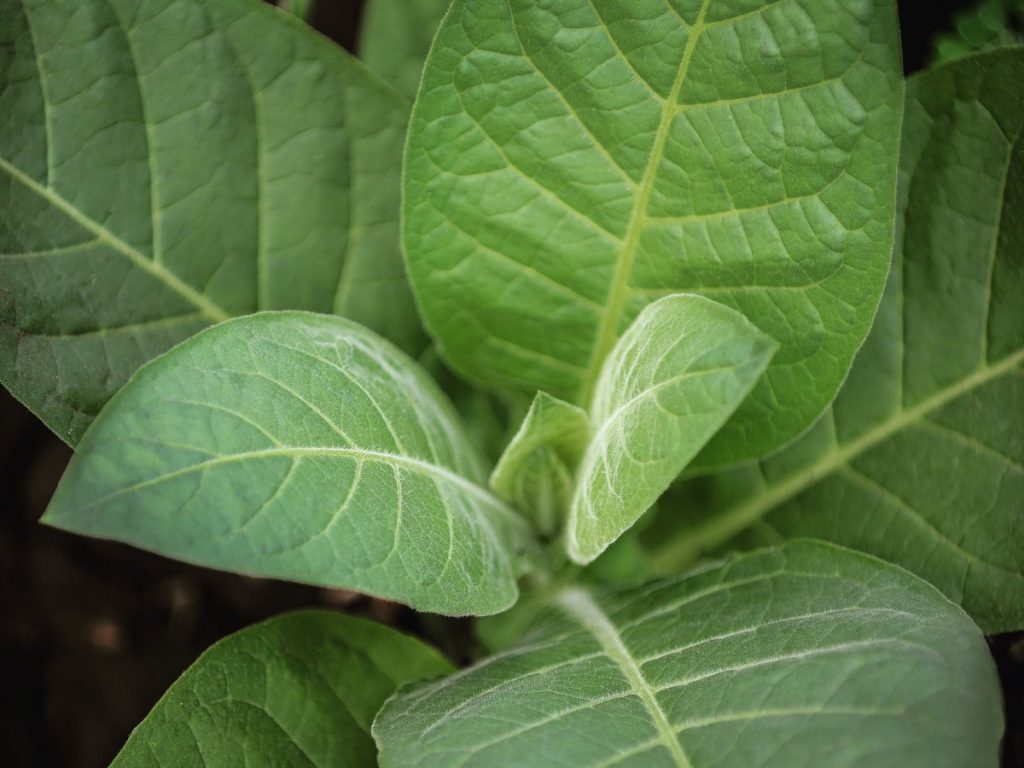
Estelí leaf works in every part of a cigar. It is used as long filler, as binder, and as sun-grown wrapper. Its most important role is as ligero in the filler. Ligero burns slowly, so blenders place it at the center of the filler bunch, where the leaves around it keep it lit, and a small amount sets the strength of the whole cigar.
Because it is so strong, Estelí tobacco is usually balanced with other leaf. Sweeter, more aromatic tobacco from Jalapa softens it, the medium-bodied leaf of Condega bridges the two, and heavy filler from Pueblo Nuevo adds weight to the middle of the smoke. Many of Nicaragua’s best-known cigars are built on this mix. Blenders, including our own, also use tobacco from other countries to complement Estelí leaf, especially to tame its strength.
How Estelí became a cigar town
Nicaragua grew tobacco long before it made premium cigars, but Estelí’s cigar industry really began after the Cuban revolution in 1959. Cuban growers and cigar makers who left the island went looking for land that could grow Cuban-style leaf, and they found it in the valleys around Estelí, Condega, and Jalapa. With government financing in the 1960s, they planted Cuban seed, built curing barns, and opened the first factories.
The 1980s were hard. War and a US trade embargo that lasted from 1985 to 1990 damaged farms, factories, and the wider economy, and some producers moved their operations to neighboring countries for a time. Most of them came back. In the 1990s, the American cigar boom brought new investment, and Estelí grew into the center of the industry. Between 2011 and 2021, the number of cigar factories in the city doubled, from about 40 to about 80. They range from small artisan workshops with a handful of people to very large producers with several sites and thousands of employees. Cigar Co Lab sits in the middle, small enough to stay flexible and large enough for commercial orders.
A town that runs on cigars
Cigars are Estelí’s main industry and its biggest export. Walk through town and you can smell tobacco in the air, because many factories sit right in the city rather than on the outskirts. Industry estimates put the number of people working in Nicaragua’s cigar trade at more than 100,000.
The factories are only part of it. Around them is a whole supply network of farms and curing barns, sorting and fermentation houses, and workshops that make cigar boxes, print bands and labels, and supply cellophane and other packaging. Rollers, bunchers, sorters, and quality inspectors all learn the trade here.
That network effect is a big reason we are based here. Our long filler and short filler factories are both in Estelí, and over the years we have worked with many of the area’s box makers, band printers, and packaging suppliers. It means we can handle a brand’s cigars, bands, boxes, and packaging in one place and check the work in person.
Living in Estelí
We live in Estelí year-round, not just for the harvest. The mild highland climate makes it a comfortable place to live, and the city is known for the colorful murals painted on many of its walls, which have earned it another nickname, the City of Murals.
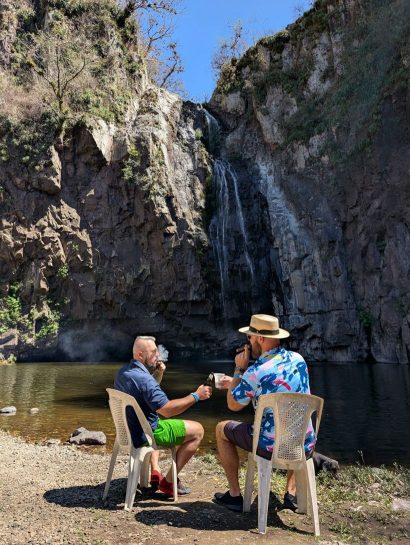
Nature is close by. The Miraflor reserve, northeast of the city, protects cloud forest and waterfalls, and the Tisey-La Estanzuela reserve to the south is home to the Salto de la Estanzuela, a waterfall more than 40 meters (130 feet) high. It is our favorite nature spot, only 15 to 20 minutes from town by car, and we try to get there every week. On Google Maps it is listed as Kaskada Restaurante.
We took this photo in the dry season, when the falls carry little water. Depending on the time of year, the waterfall can be a very different experience. And don’t forget your swimwear!
The town’s own history
Estelí was founded around 1685 as the Villa de San Antonio de los Esterillas by Spanish settlers from Ciudad Antigua. In 1823 the town moved to its current site, on a plain beside the river now called the Estelí. Raids, wild animals that preyed on cattle, and poor farmland had made the first site hard to live in.
Estelí became a city in 1891, when the department of Estelí was created. Coffee drove the local economy in the early 1900s, and the Pan-American Highway, built through the region in the 1940s, connected Estelí to the rest of the country and helped it grow. The city center was badly damaged during the fighting of 1978 and 1979, and Hurricane Mitch brought severe flooding in 1998. Each time, the town rebuilt.
The year has its own rhythm. Every January, the Puro Sabor festival brings cigar lovers from around the world to Estelí to visit factories and fields. The city honors its patron saint, Our Lady of the Rosary, on October 7. On December 8 it marks the anniversary of becoming a municipality, and December is also the month for hípicas, the town’s horse parades.
Where It Fits
- Ligero: the strength at the center of the filler
- Filler and binder: body, pepper, and spice
- Wrapper: sun-grown leaf
Where to Next
Tell Us About the Cigar You Want to Make
A 30-minute conversation is enough to scope your blend, your packaging, and your real timeline. No pressure, no deposit, just straight answers from the people who’ll actually make your cigars.
We answer every serious inquiry within one business day.