
Ometepe Tobacco: The Island Leaf
An island of two volcanoes in Lake Nicaragua, where lake-watered fields grow a small amount of prized, sweet, earthy cigar tobacco.
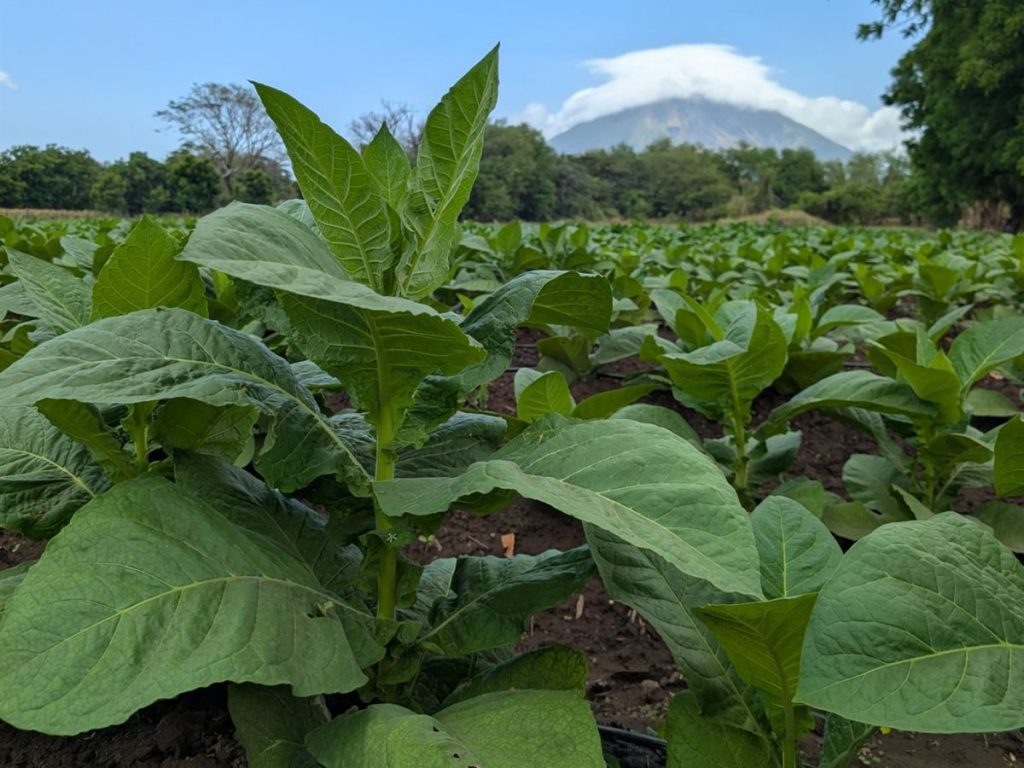
Cigar Tobacco From an Island of Two Volcanoes
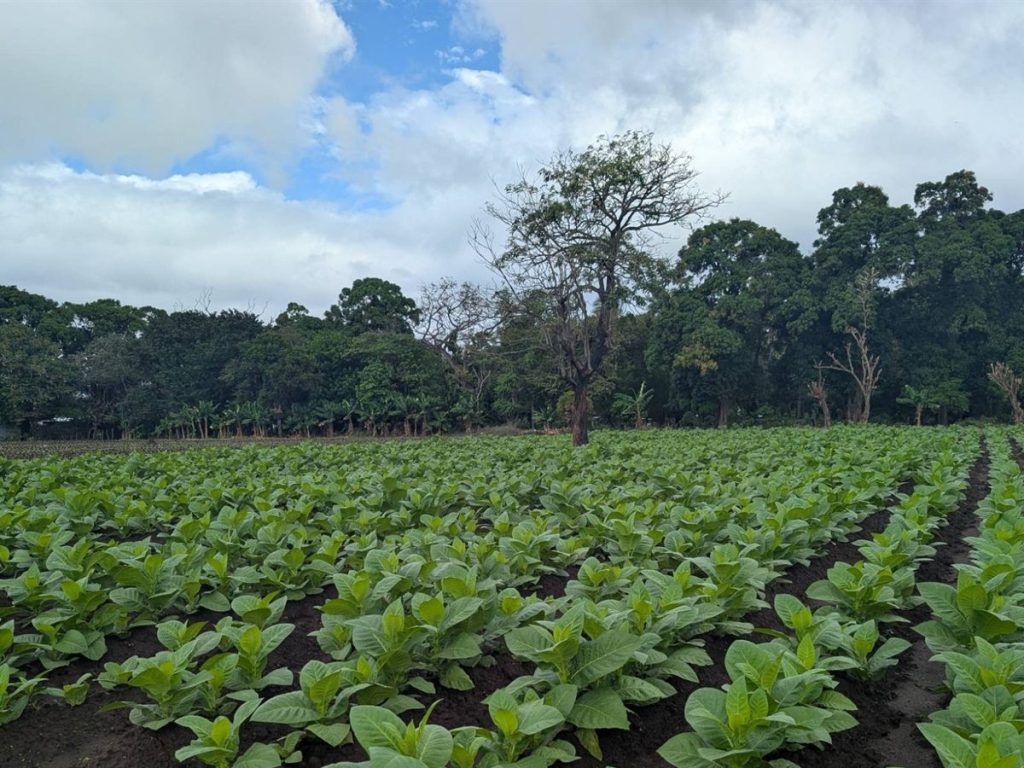
Ometepe is an island in Lake Nicaragua formed by two volcanoes, Concepción and Maderas. Its volcanic soil grows a small amount of cigar tobacco known for a rich, bold flavor that is sweet and earthy, with a mineral edge. Blenders usually use it in the filler, to add sweetness and depth to a blend.
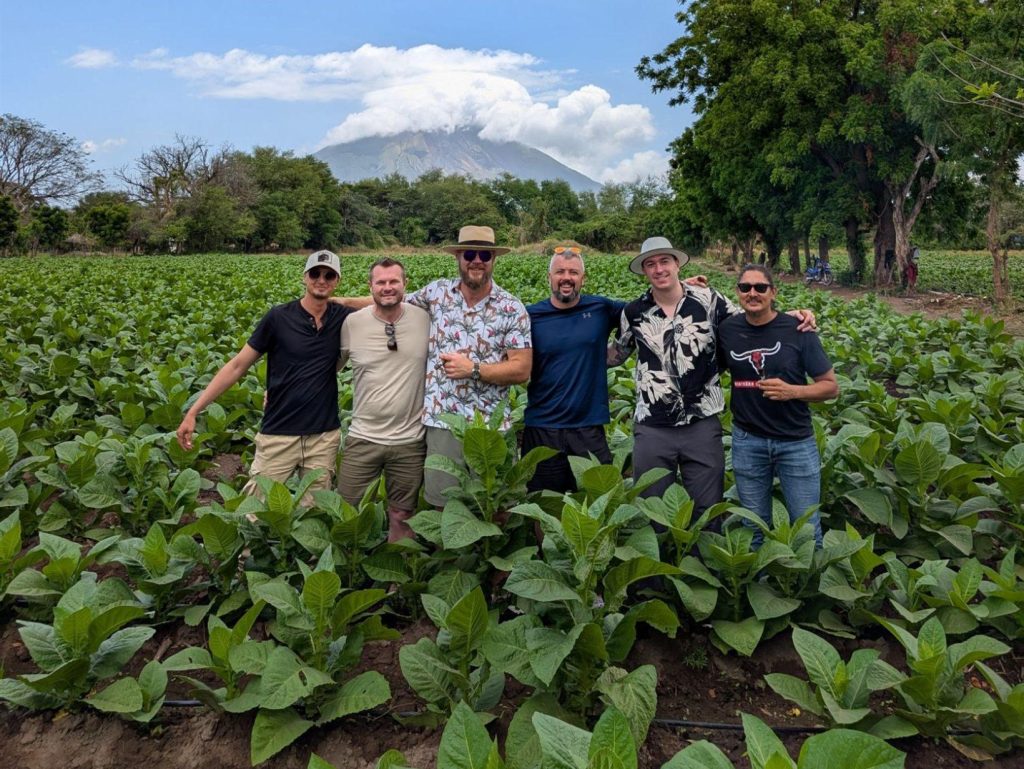
We work directly with two brothers, Roberto and Sergio, who grow tobacco on the island, and we have stayed on Ometepe several times ourselves. This page combines the published facts with what we have seen there firsthand.
Where is Ometepe?
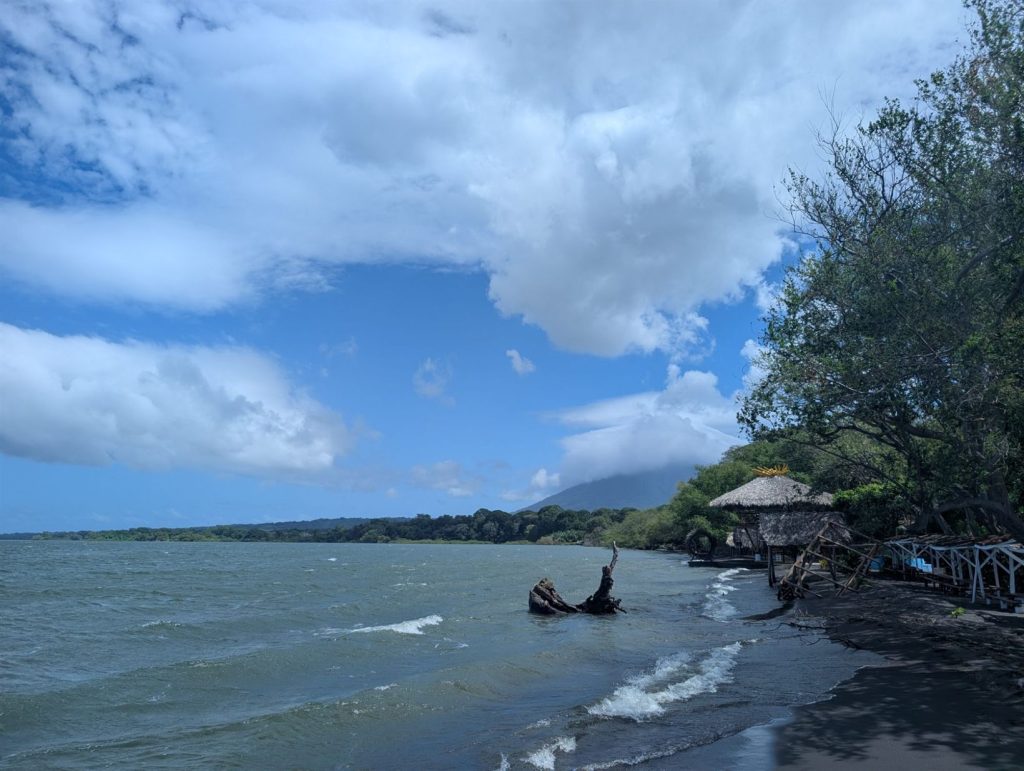
Ometepe sits in the southern half of Lake Nicaragua, also called Cocibolca, the largest lake in Central America. It belongs to the department of Rivas, not far from the border with Costa Rica. The island is about 31 km (19 miles) long, and a low, narrow isthmus joins its two volcanoes, giving it the shape of a figure eight from above.
Concepción, the northern volcano, rises to 1,610 meters (5,280 feet) and is still active. Maderas, to the southeast, reaches 1,394 meters (4,573 feet) and holds a small lagoon in its crater. About 34,000 people live on the island, which is divided between two municipalities named after its main towns, Moyogalpa and Altagracia. In 2010, UNESCO named Ometepe a Biosphere Reserve.
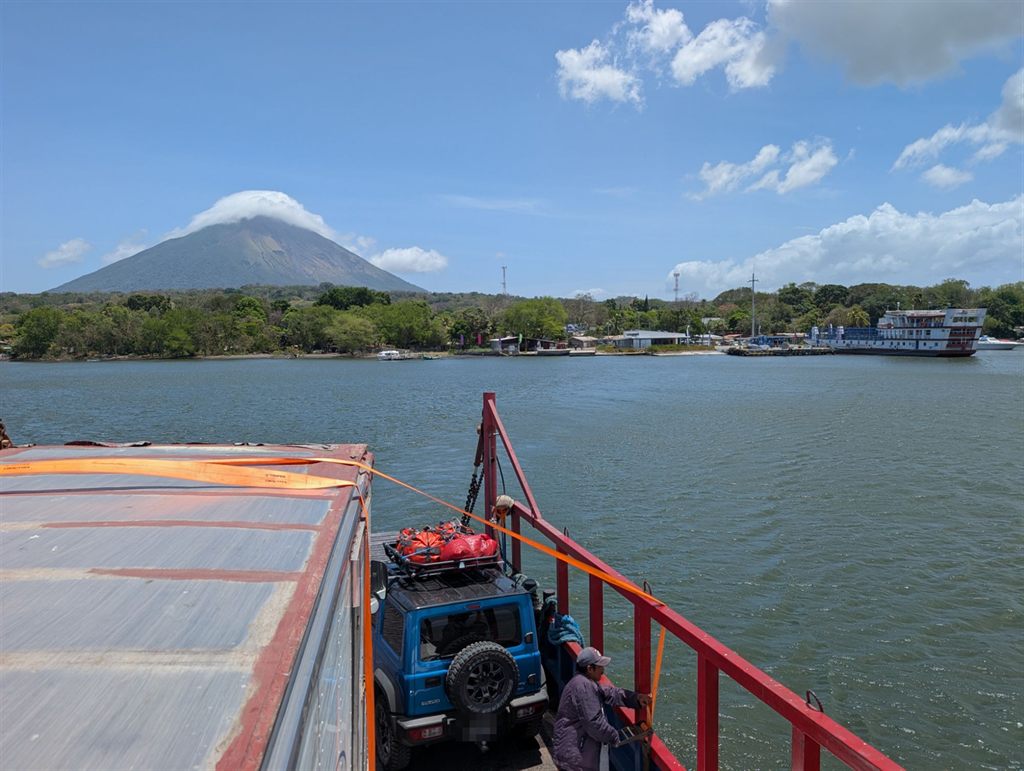
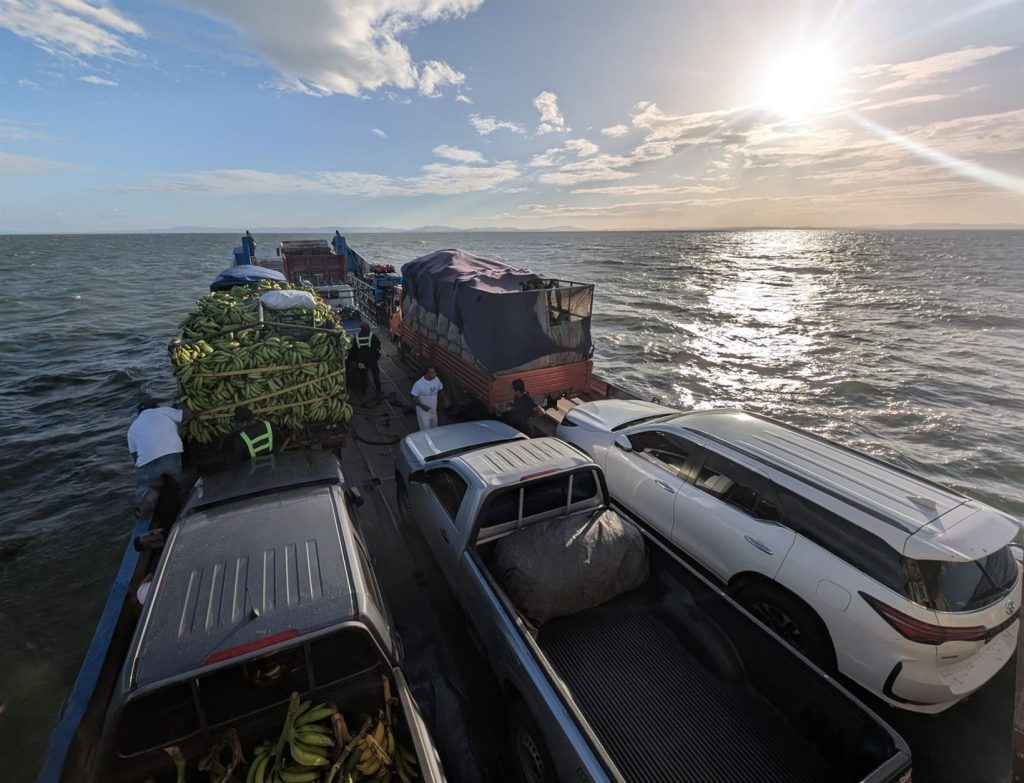
Most visitors arrive by ferry from San Jorge, near Rivas, to the port of Moyogalpa. From our factory in Estelí, it is roughly four hours by road to Rivas, then an early start for the ferry and a crossing of an hour or more. When we visit the island, we stay at least a night or two.
From September to March, book the ferry well in advance. Plantains are the island’s main crop, and during the harvest, trucks loaded with plantains, some for the domestic market but most for export, take up much of the space on board.
Volcanic soil and lake water
Ometepe’s soil is built from volcanic ash, which makes it dark, loamy, and very fertile. It drains well, and growers need little fertilizer. Not every field works for tobacco, though. Some parts of the island have too much sulfur in the soil.
The lake shapes the crop too. The water around the island keeps the air humid, especially in the mornings, which suits tobacco well.
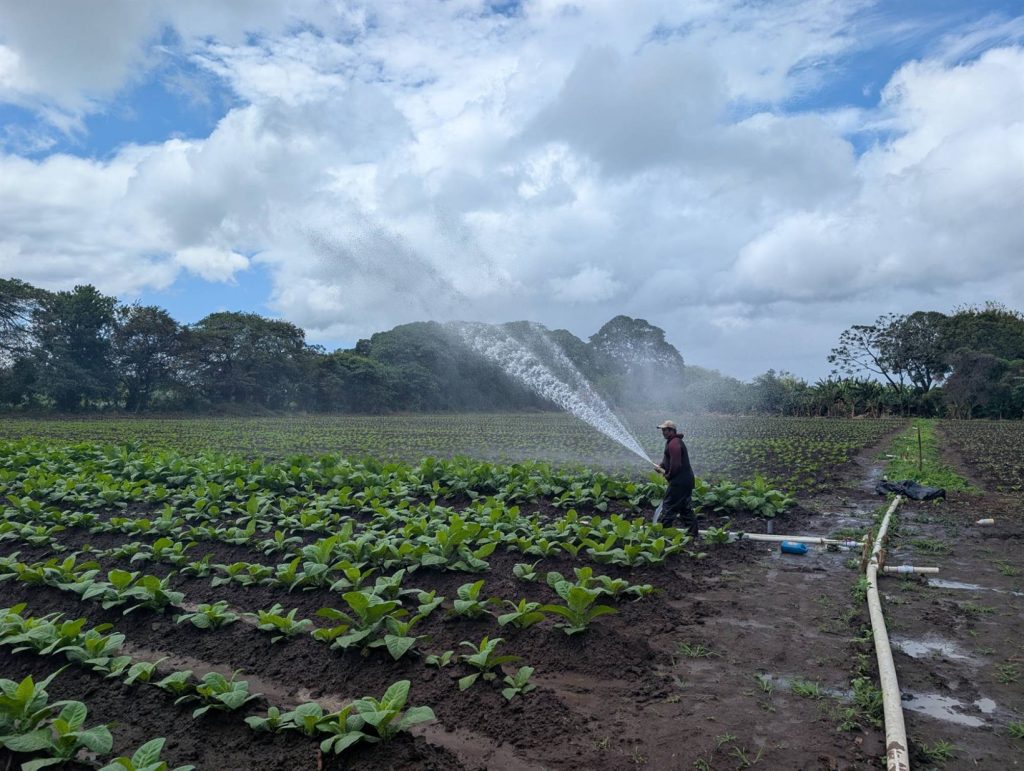
Water is also where Ometepe differs most from the mainland. In our experience, most tobacco farms on the mainland irrigate from underground wells. The farms we work with on Ometepe irrigate with water from the lake. We find the lake water richer in nutrients than well water, and we believe it adds to the flavor of the leaf.
What Ometepe tobacco tastes like
Ometepe tobacco is known for a rich, bold flavor that is sweet and earthy, often with distinct mineral or metallic undertones. Grown in nutrient-dense volcanic soil, the leaf develops plenty of oil and a strong mineral character, which gives it a heavier, more complex profile than milder regions like Jalapa. Even young, unfermented leaf shows little of the harshness typical of new tobacco.
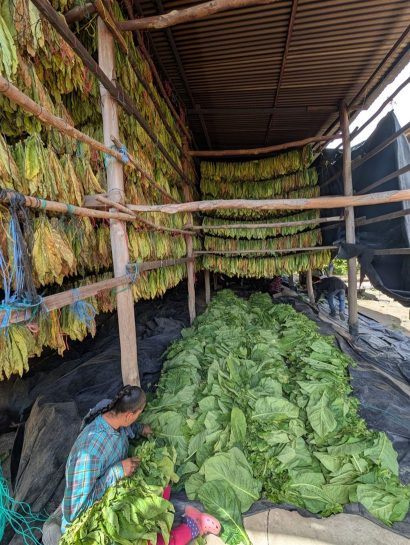
In our experience, three things stand out:
- Deep earthiness: a rich, heavy flavor that brings to mind damp soil or old, seasoned wood.
- Salinity and a mineral edge: a sharp mineral quality, often with a salty or slightly metallic touch on the sides of the palate.
- Wood notes: heavy undertones of cedar, oak, and redwood.
That salinity and mineral edge is something we also find in some Cuban tobacco, particularly leaf grown nearer the coast. We do not use or sell Cuban tobacco, but many clients ask us for a Cuban-style blend. Ometepe leaf is one of the ways we can build that flavor profile with legal, non-Cuban tobacco.
We would describe it as medium to full in strength. Published reports vary: Cigar Aficionado once described it as mild to medium in body, while some growers and blenders who work with it call it strong. Like any tobacco, it changes with the farm, the year’s crop, and how it is fermented and aged.
How blenders use Ometepe tobacco
The island grows only a small amount of cigar tobacco, so it plays a supporting role. Interest is growing, though, and we have heard that some larger producers have recently bought land on the island. Blenders usually use it in the filler, alongside mainland leaf from Estelí or Condega, to add sweetness, depth, and a mineral edge. Because supply is limited, it is used with care.
Tobacco itself is not new to the island, but cigar tobacco is a fairly recent crop. Cigarette tobacco was grown on parts of Ometepe from around the 1950s, and cigar tobacco followed decades later.
Roberto and Sergio
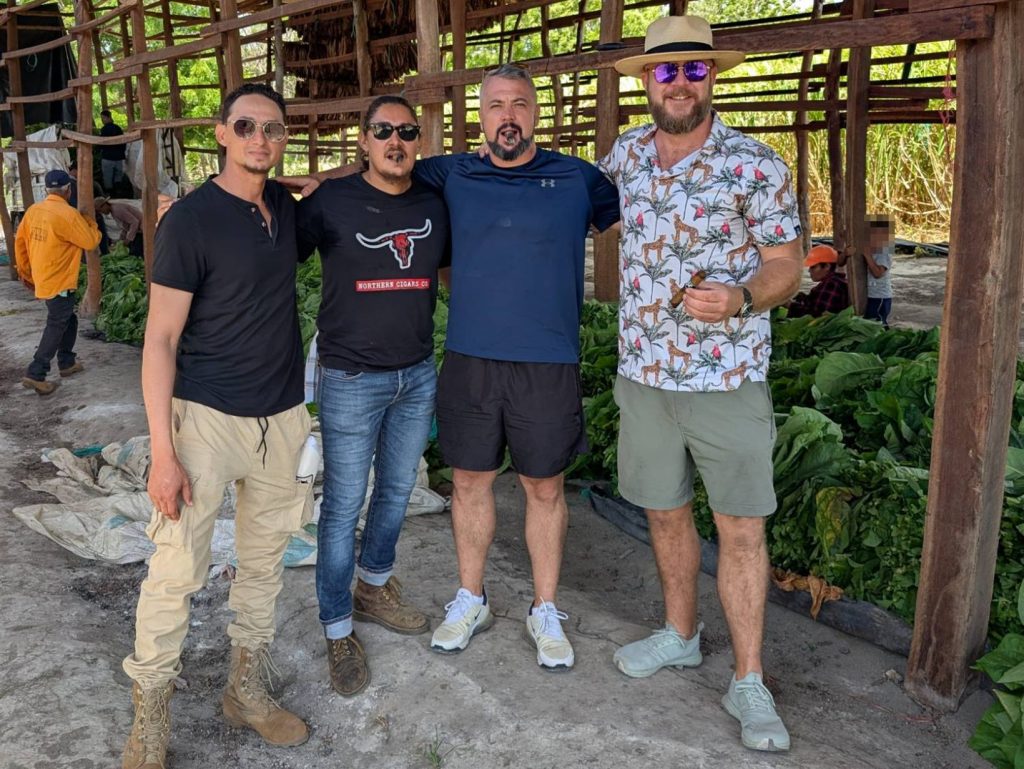
Roberto and Sergio are brothers who grow tobacco on Ometepe, and we work with them directly. Knowing the farmers means we know exactly where the leaf comes from and how it was grown. We will share their story, with photos from their farms, in a Journal post.
Petroglyphs and pottery
People have lived on Ometepe for more than 2,000 years. The island’s name comes from the Nahua words ome (two) and tepetl (mountain), after its two volcanoes. The Nicarao, a Nahua-speaking people, settled the area from around the 14th century, before the Spanish arrived.
Earlier peoples carved images into boulders on the slopes of Maderas. A survey between 1995 and 1999 recorded about 1,700 petroglyph panels on 1,400 boulders on the Maderas side of the island, some thought to date back to around 300 BC. Basalt statues carved by the island’s early inhabitants now stand in the church park in Altagracia.
Pottery is part of that history too. Archaeologists recovered nearly 30,000 pottery fragments at a single site on Ometepe, and one pre-Columbian pottery style, Ometepe Red Slipped-Incised, is named after the island. Small museums on the island display pre-Columbian ceramics and other pieces found there.
If you visit
Ometepe is one of Nicaragua’s most popular places to visit, and it is worth the trip. A few of the spots visitors love most:
- Ojo de Agua: natural, spring-fed swimming pools under tall trees, near Santo Domingo on the isthmus between the volcanoes.
- Punta Jesús María: a long sandbar reaching into the lake, with wide views of the lake and Concepción, especially at sunset.
- Charco Verde: a lagoon and nature reserve on the south side of Concepción, with forest trails and howler monkeys.
- San Ramón waterfall: a waterfall of about 50 meters on the slopes of Maderas, reached by a forest hike.
- The volcanoes: guided hikes climb Concepción or reach the crater lagoon on Maderas. Both make for long, demanding days.
- Playa Mango: a relaxed bar right on the beach of Lake Nicaragua, on the isthmus between the volcanoes, with food, cocktails, swimming, tubing, and, of course, glorious sunsets.
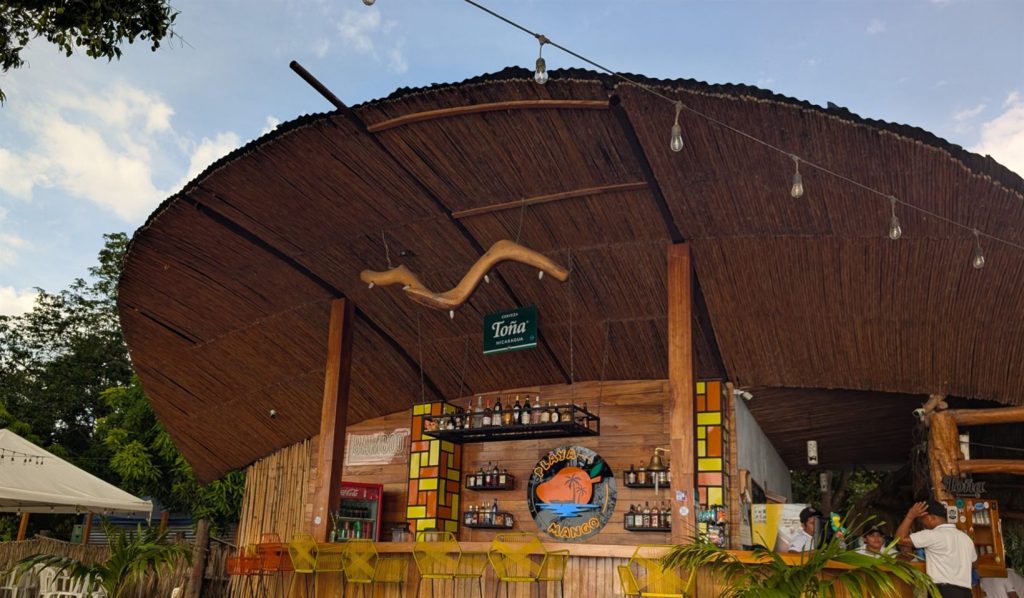
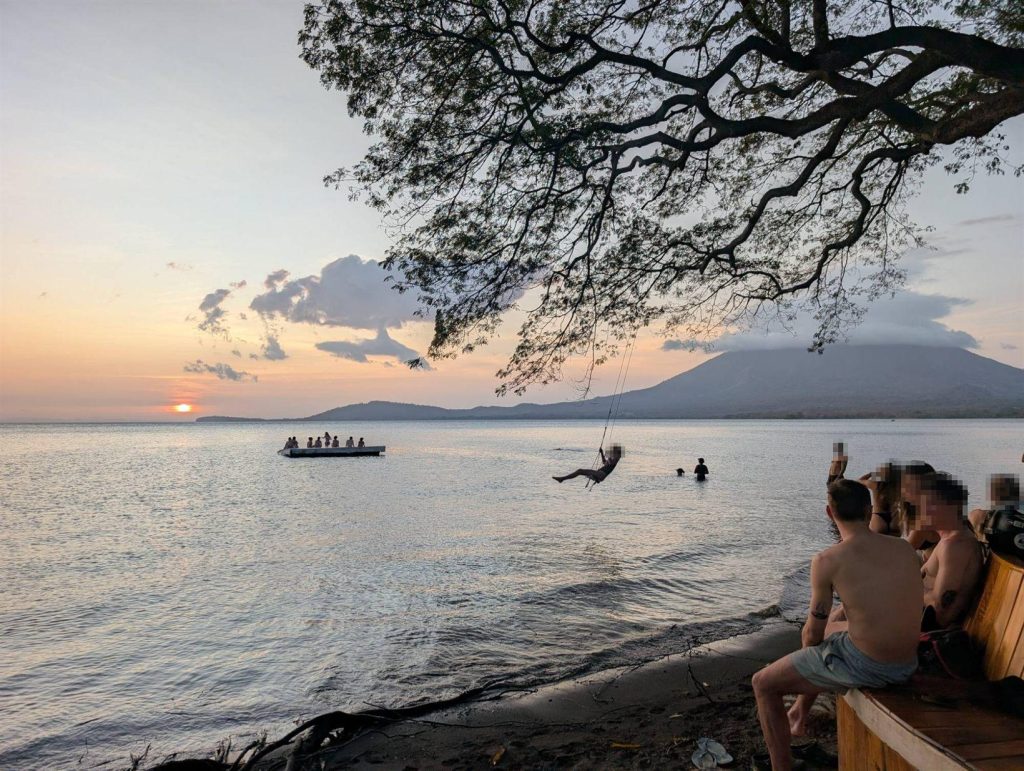
We will share more from our own stays on the island in a future Journal post.
Where It Fits
- Filler: adds sweetness, depth, and a mineral edge in small amounts
- Character: rich, earthy, and mineral, smooth even when young
- Supply: a small island crop, used with care
Where to Next
Tell Us About the Cigar You Want to Make
A 30-minute conversation is enough to scope your blend, your packaging, and your real timeline. No pressure, no deposit, just straight answers from the people who’ll actually make your cigars.
We answer every serious inquiry within one business day.